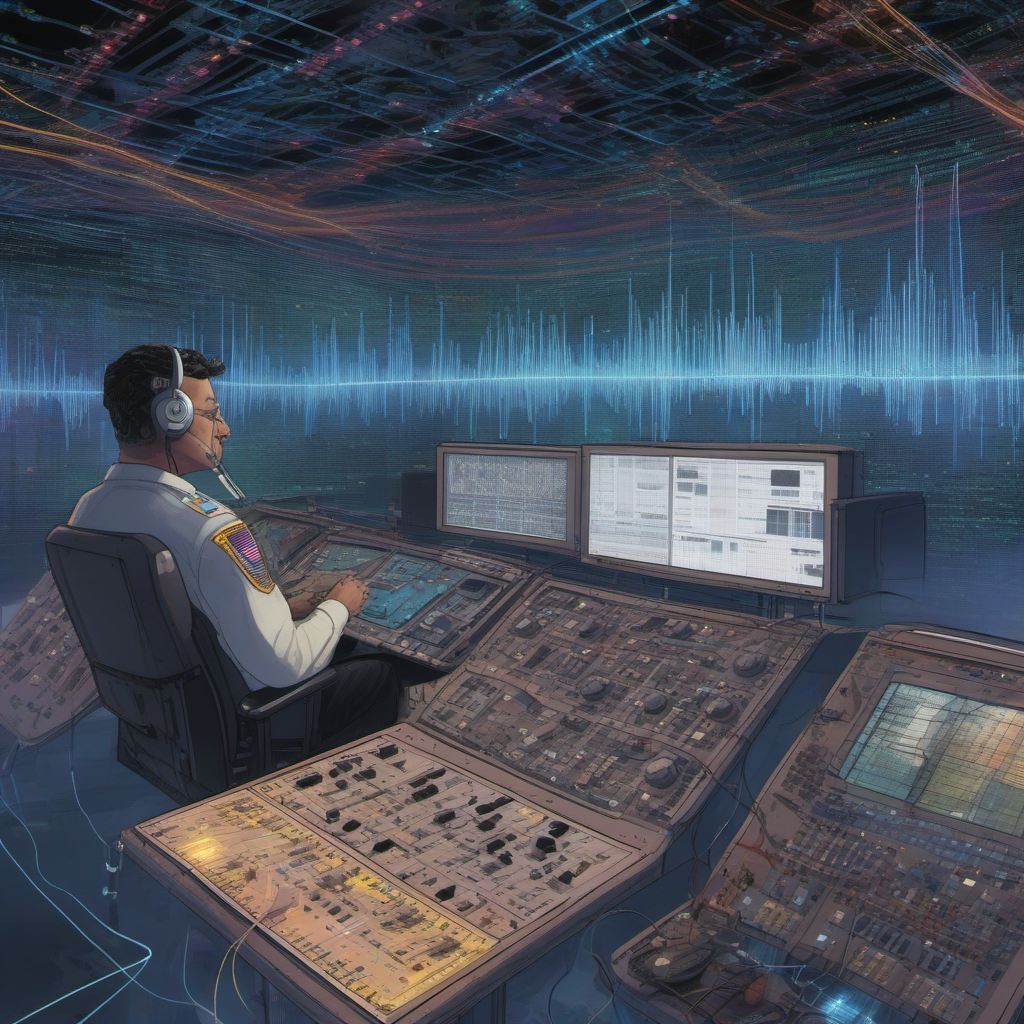
In a curious intersection of technology and aviation safety, artificial intelligence is being applied to reconstruct the voices of deceased pilots from cockpit recordings. This development has caught the attention of the National Transportation Safety Board (NTSB), prompting a temporary suspension of access to its docket system. The implications are vast, touching on privacy, ethics, and the potential future of accident investigations.
## The Technology Behind Voice Resurrection
The process involves using AI to analyze spectrogram images of cockpit voice recordings. A spectrogram is a visual representation of the spectrum of frequencies in a sound. By converting these images back into audio, AI can recreate the voices captured during critical moments in flight. This method does not require access to the actual audio files, which are typically restricted to protect privacy. Instead, it leverages the visual data to produce a close approximation of the original sounds.
This technique has emerged from advancements in machine learning, specifically in the field of audio and signal processing. By training models to recognize and replicate vocal patterns from spectrograms, researchers have found a novel way to bypass traditional audio recovery methods. While the concept is intriguing, the practical applications and ethical considerations remain a matter of debate.
## Competitive Context and Industry Response
The use of AI to resurrect voices is not entirely new, with similar technologies being used in other industries, such as media and entertainment, to restore or recreate historical audio. However, its application in aviation safety is unprecedented. The NTSB’s decision to block access to its docket system underscores the potential impact of this technology on existing protocols and privacy considerations.
Companies working in AI-driven audio reconstruction are now finding themselves at the forefront of a new, albeit controversial, application. This development raises questions about how proprietary data is accessed and used, particularly in sensitive contexts like aviation accidents. The NTSB’s response highlights the need for clear guidelines and regulations to govern the use of such technology.
## Implications for Founders, Engineers, and the Industry
For those in the tech industry, particularly founders and engineers working on AI and machine learning, this development serves as a reminder of the ethical responsibilities that accompany technological advancement. The potential to transform accident investigations is evident, but so is the risk of misuse or unintended consequences.
Engineers must consider the broader implications of their work, including the potential for AI to infringe on privacy or misinterpret data. Startups exploring similar technologies should prepare for increased scrutiny from regulatory bodies and the public. For investors, this could signal a need to evaluate the ethical frameworks of potential investments in AI companies.
The aviation industry, meanwhile, may find itself at a crossroads. While the technology promises to enhance the accuracy and depth of accident investigations, it also poses challenges to long-standing practices designed to protect the privacy of individuals involved.
As this technology continues to develop, it will be crucial for stakeholders to engage in open dialogues about its uses, limitations, and ethical considerations. The AI-driven reconstruction of voices from cockpit recordings is a testament to the power of technology, but it also serves as a cautionary tale about the importance of responsible innovation. For engineers and founders, this means navigating a complex landscape where technological capability must be balanced with ethical stewardship.