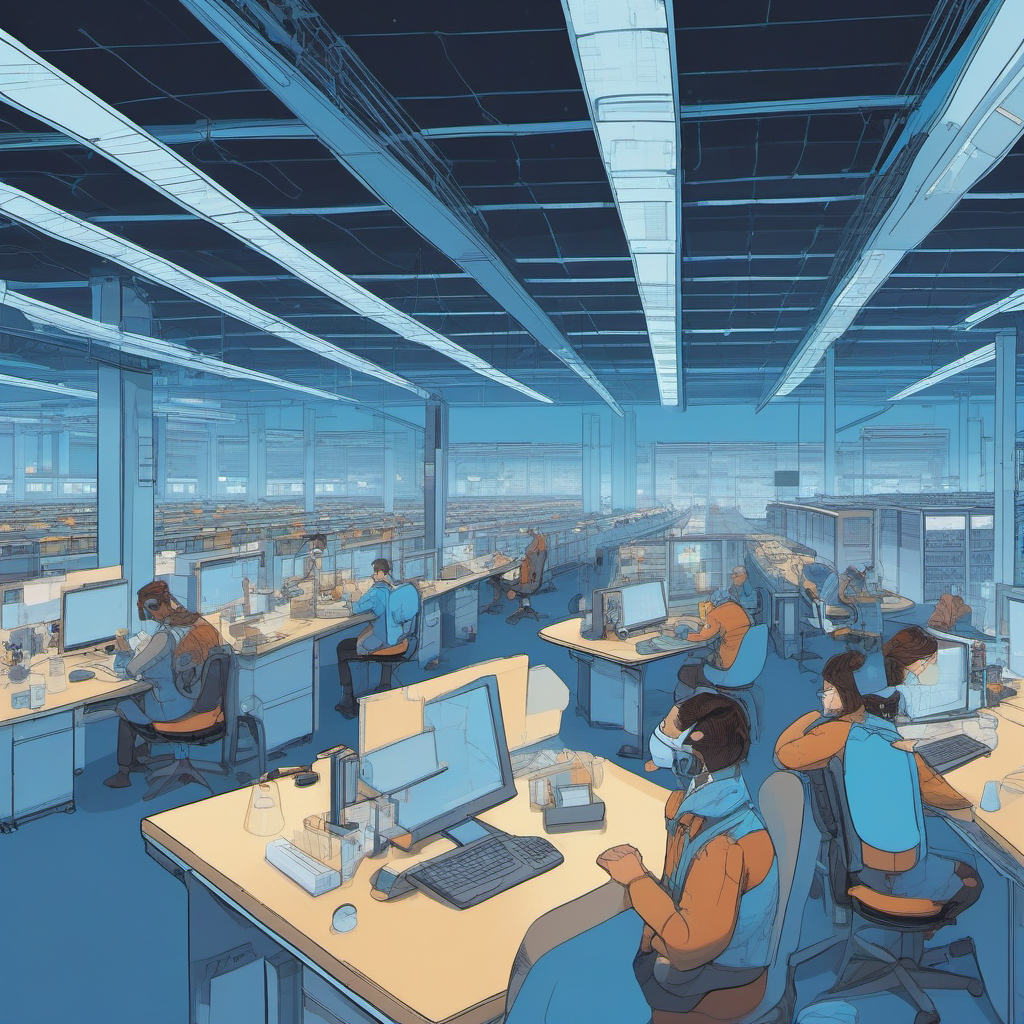
Amazon’s internal culture is feeling the squeeze as employees turn to “tokenmaxxing,” a practice where they maximize the use of AI tools to secure their positions and meet productivity demands. This trend highlights the increasing pressure tech workers face to adapt to AI-driven workflows. It raises questions about the sustainability of such practices and their impact on employee well-being and efficacy.
## What Amazon’s Employees Are Doing
“Tokenmaxxing” refers to employees’ strategic use of AI tools to enhance their productivity metrics, often at the expense of genuine engagement with their work. At Amazon, this involves leveraging AI to automate tasks, optimize outputs, and meet performance benchmarks that are increasingly AI-influenced. Employees report feeling compelled to demonstrate proficiency with these tools, as management’s expectations grow in line with AI’s capabilities.
The practice is not limited to Amazon, but the company’s vast scale and influence make it a focal point in the discussion of AI’s role in workplace dynamics. As Amazon integrates more AI into its operations, from customer service bots to warehouse robots, the pressure for employees to keep up with the technology is palpable.
## The Competitive Context
Amazon is not alone in this shift towards AI-enhanced productivity. Tech giants like Google, Meta, and Microsoft are similarly invested in AI, both in terms of product development and internal operations. However, Amazon’s rapid adoption of AI tools has set it apart, creating a unique environment where employees feel a distinct pressure to align with AI-driven methodologies.
This competitive landscape is fueled by the tech industry’s broader embrace of AI as a tool for efficiency and innovation. Yet, there’s a growing concern that this may lead to a homogenization of work practices where human creativity and problem-solving are sidelined in favor of algorithmic efficiency. Companies not only compete on the basis of AI capabilities but also on how effectively they can integrate these tools into their workforce without alienating their employees.
## The Real Implications
For founders and engineers, the rise of “tokenmaxxing” signals a need to balance the integration of AI with the human element of work. Engineers must develop tools that enhance rather than replace human capabilities, while founders need to foster environments that support mental well-being and job satisfaction amidst technological shifts.
The industry faces a challenge: how to leverage AI’s potential without reducing employee roles to mere algorithmic outputs. This requires a reevaluation of performance metrics to ensure they reflect meaningful contributions beyond what AI can measure. There’s an opportunity here for leaders to pioneer practices that prioritize human ingenuity alongside AI efficiency.
For investors, this trend underscores the importance of assessing a company’s AI strategy not just on technical prowess but also on its impact on workplace culture. Companies that can harness AI while maintaining a motivated and engaged workforce may prove more resilient in the long run.
## What’s Next?
As AI continues to evolve, the pressure on employees to adapt will likely increase. For those in the tech industry, there’s a pressing need to develop AI tools that not only boost productivity but also enhance job satisfaction and support diverse work styles. This is an opportunity for founders and engineers to create a future where AI complements rather than complicates the human element of work.