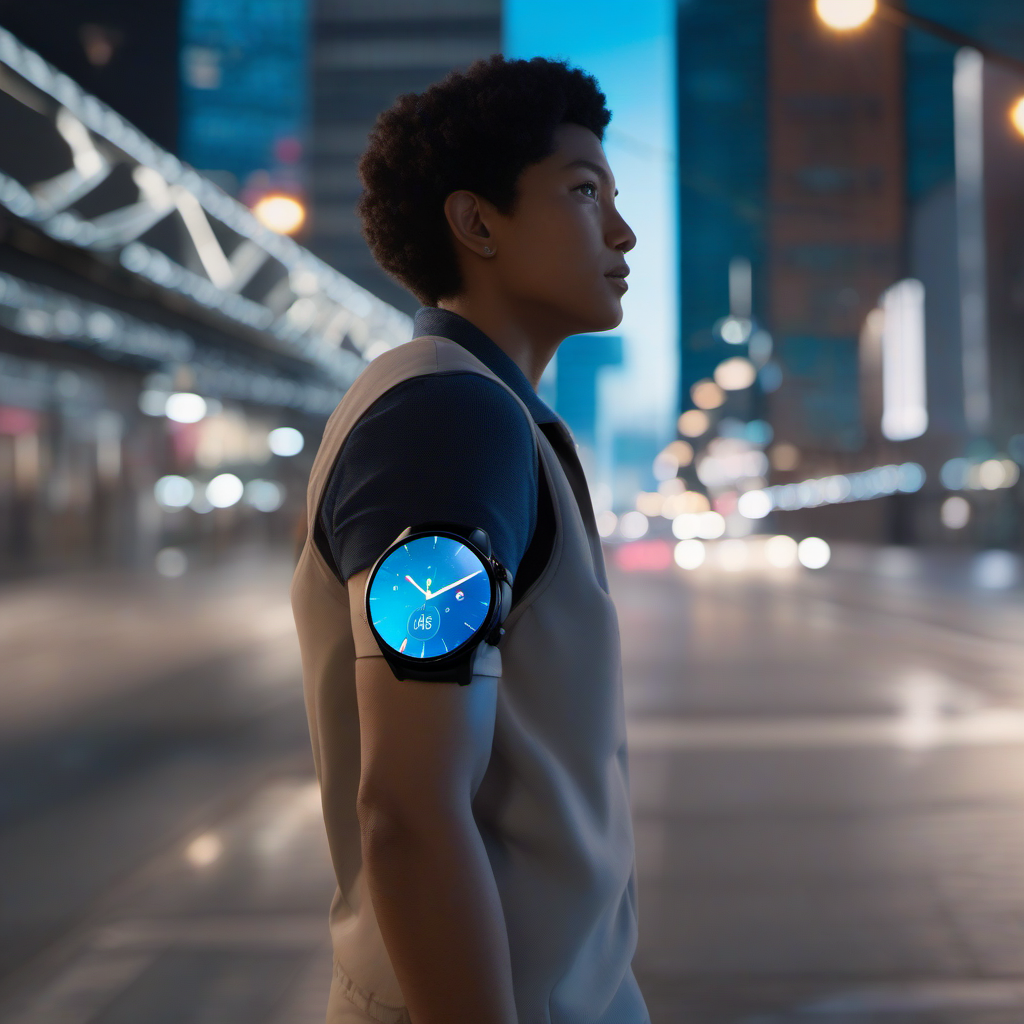
Samsung’s latest claim is turning heads: the tech giant says its Galaxy Watch 6 can predict fainting episodes with “high accuracy.” This feature aims to alert wearers to potential fainting spells, allowing them to take precautionary measures like sitting down or seeking help. If true, this could represent a meaningful health application for wearables, but the question remains—how much of a necessity is this in everyday life?
## What the Galaxy Watch 6 Actually Does
The Samsung Galaxy Watch 6 is equipped with an array of sensors that monitor various biosignals such as heart rate, blood pressure, and electrocardiogram (ECG) data. The watch uses algorithms to analyze these signals, attempting to identify patterns that precede vasovagal syncope, the most common type of fainting. Samsung claims that the watch’s predictive capabilities could provide crucial seconds of warning before a fainting episode occurs.
The feature is still in its early stages, with Samsung yet to release extensive peer-reviewed data validating its accuracy. However, if successful, this could add a new dimension to the way smartwatches contribute to personal health management, extending beyond fitness tracking to more serious medical warnings.
## Competitive Context
Samsung is not the first to venture into health-focused wearables. Apple has long touted its Apple Watch as a health device, offering ECG functions and irregular heart rhythm notifications. Fitbit, now owned by Google, has also integrated various health-monitoring features into its devices. While these brands focus on heart health and fitness, Samsung’s move into fainting prediction attempts to carve out a unique niche.
Yet, the competitive landscape is challenging. Consumers have become wary of overhyped health claims, remembering past instances where wearable tech promises fell short. Samsung’s challenge will be proving its fainting prediction isn’t just another tech gimmick but a reliable, life-improving tool.
## Real Implications for Founders, Engineers, and the Industry
For founders and engineers, Samsung’s move signifies a push towards more specialized health applications in wearable tech. Developing algorithms capable of predicting medical events is complex, requiring rigorous testing and validation. This could open opportunities for startups focusing on narrow health conditions that mainstream companies overlook.
However, developers should be cautious of the regulatory landscape. Health-related claims require scrutiny from regulatory bodies like the FDA in the U.S. and Health Canada. Engineers developing similar technologies need to ensure compliance to avoid costly setbacks.
For the industry, Samsung’s announcement could spur further investment in biosignal research and development. However, the real test will be consumer adoption. Wearables have long promised to revolutionize health monitoring, but widespread skepticism remains. Whether consumers see the value in fainting prediction will influence future innovations and investment in this area.
## What Happens Next
Samsung plans to roll out this feature through a software update, but the timeline remains vague. For now, the company will likely focus on gathering data and refining its algorithms to improve accuracy and reliability.
For engineers and founders eyeing this space, the next steps involve rigorous testing and validation of similar technologies. The potential is there, but the path to consumer trust is a long one. Investors should watch for validated results before jumping on board, as the tech world has learned that not every hyped feature meets real-world needs.