
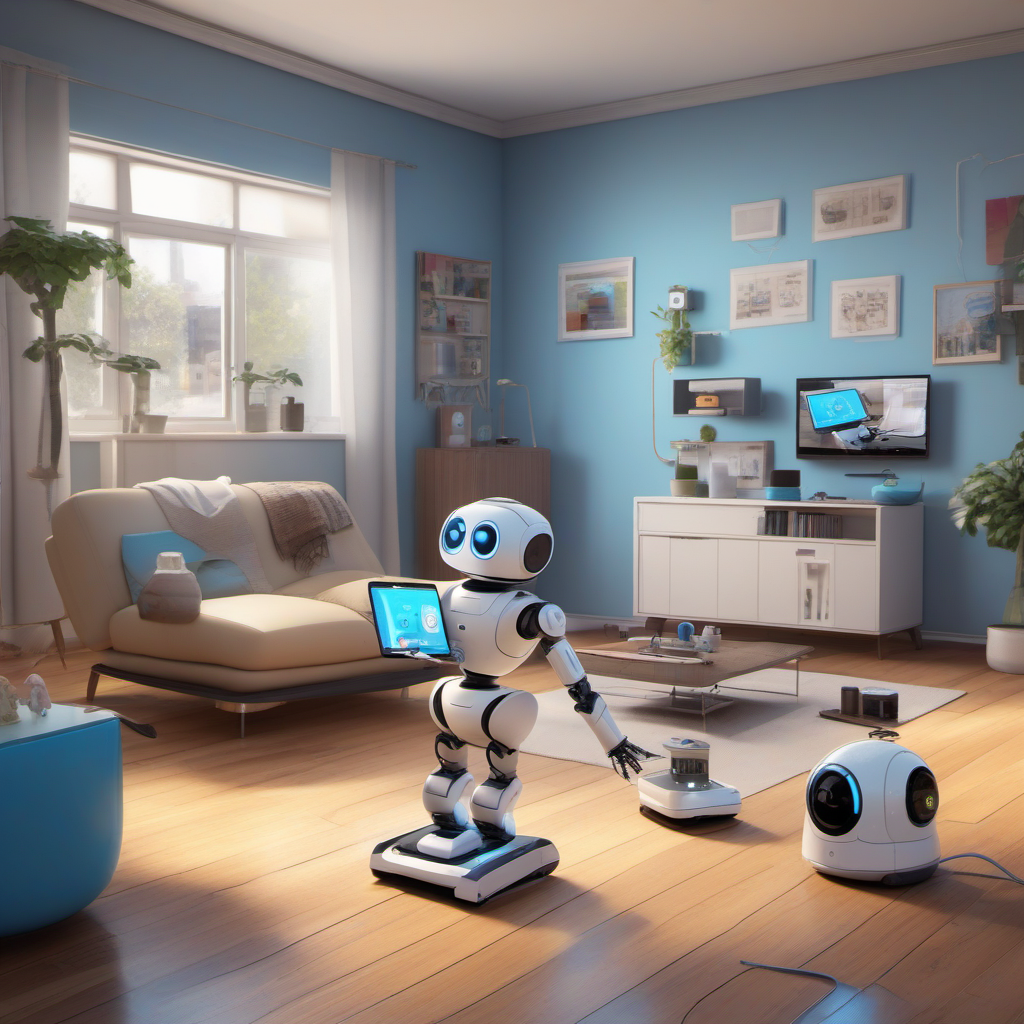
Weave Robotics, a Toronto-based startup, has just rolled out its first product, Isaac 1, a home robot priced at $7,999. Set for delivery in Fall 2026, Isaac 1 aims to redefine how we interact with technology within our homes. But with a hefty price tag and a three-year wait, the question looms—do we really need it, and if so, who can afford it?
## What Is Isaac 1?
Isaac 1 is billed as a multi-functional home assistant, capable of performing a variety of tasks like cleaning, providing security surveillance, and even offering companionship. Equipped with advanced AI and machine learning capabilities, it is designed to adapt to user preferences over time. Weave Robotics claims that Isaac 1 can integrate with smart home systems, making it a central hub for managing connected devices.
Despite these features, the practical utility of Isaac 1 remains to be seen. While it promises a lot, the actual consumer value could hinge on how well it performs these tasks in real-world scenarios. The robot’s ability to seamlessly integrate into daily life and offer tangible benefits will be its true test.

## Competitive Landscape
Weave Robotics enters a competitive market filled with tech giants like iRobot, known for its Roomba vacuums, and newcomers like Amazon, which has been making strides with its own home robots. At $7,999, Isaac 1 is priced significantly higher than most consumer-grade robots currently available. This price point places it in a niche category, potentially limiting its appeal to tech enthusiasts and wealthy consumers.
Moreover, the timeline for delivery—Fall 2026—raises questions about the product’s relevance by the time it becomes available. Technology evolves rapidly, and three years is a long time in the tech industry. By 2026, advancements in AI and robotics could render Isaac 1 either obsolete or merely one of many similar offerings.
## Real Implications for Founders and Engineers
For founders and engineers, Isaac 1’s launch highlights some critical considerations. The high price and delayed delivery timeline underscore the importance of balancing innovation with market readiness. Founders should closely monitor consumer demand and willingness to pay for premium tech products, especially when the value proposition isn’t immediately clear.
Engineers, on the other hand, are reminded of the ever-increasing expectations for AI capabilities. Isaac 1’s promise to learn and adapt means engineers must focus on creating systems that are not just smart but also intuitive and user-friendly. The challenge lies in developing AI that feels less like a gadget and more like a helpful addition to everyday life.
The launch of Isaac 1 also prompts investors to scrutinize the long-term viability of robotics startups. While the potential for growth is substantial, the risks associated with high costs and delayed timelines are evident. Investors must carefully evaluate whether the company’s technology can maintain its edge in a rapidly evolving landscape.
## What Happens Next
As Weave Robotics moves forward, the key will be maintaining momentum and keeping potential customers engaged until Isaac 1 is ready for delivery. For founders keen on entering the robotics space, this means paying close attention to both the technological capabilities and market dynamics at play. The real winners will be those who can deliver meaningful innovation on a realistic timeline that resonates with consumers’ actual needs.