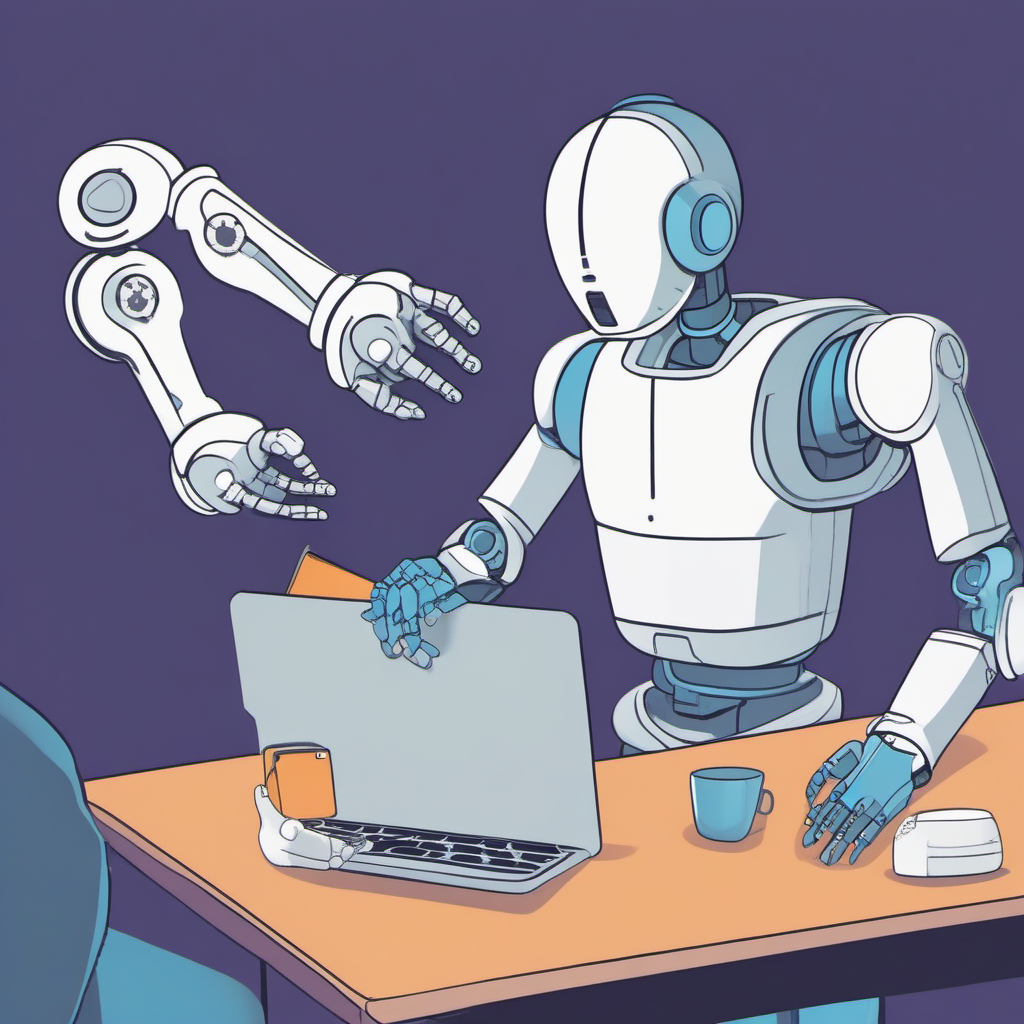
The accelerating pace of AI integration in the workplace has begun to manifest in tangible job losses across the United States. This trend is particularly evident in roles that are highly susceptible to automation, such as customer service, data entry, and certain administrative functions. As AI continues to advance, the implications for the workforce, especially those in entry-level and routine positions, are profound. Understanding the dynamics at play is crucial for workers and companies alike.
## What AI Is Actually Doing to Jobs
AI technologies are being deployed to handle tasks that were once the domain of human workers. Chatbots and virtual assistants are replacing customer service representatives, while machine learning algorithms are taking over data entry tasks. These technologies promise efficiency and cost savings for companies but come at the expense of traditional employment opportunities. According to a recent report, nearly 40% of jobs in these categories are at risk of being automated within the next decade.
This shift is not unexpected. Businesses are always on the lookout for methods to reduce costs and increase productivity. AI provides a compelling solution, offering consistent performance without the need for breaks or benefits. However, the rapid adoption of these technologies raises questions about the long-term sustainability of such a workforce transformation.
## The Competitive Context of AI in the Workforce
The competition to integrate AI into business operations is fierce. Tech giants like Google, Microsoft, and Amazon are heavily investing in AI development, with startups following suit, hoping to carve out a niche in this burgeoning market. These companies are not just looking to automate existing processes but to create new ones that were previously unattainable.
Despite this, the consumer value of AI in the workplace is not always clear. While AI can streamline operations and reduce costs, the real-world benefits to consumers, such as improved service quality or reduced prices, are not always delivered. This disconnect presents a challenge for companies that must balance technological advancement with consumer satisfaction.
## Real Implications for Founders, Engineers, and the Industry
For startup founders and engineers, the implications of AI-driven job losses are twofold. On one hand, there is an opportunity to innovate and develop AI solutions that can enhance business operations. On the other hand, there is a responsibility to consider the societal impacts of these technologies. Founders must weigh the benefits of AI adoption against the potential for widespread job displacement.
Engineers, in particular, will need to focus on developing AI systems that complement human work rather than replace it. This could involve designing AI tools that enhance human capabilities or creating systems that require human oversight. The challenge lies in finding a balance between automation and human employment that benefits both businesses and society.
## What’s Next for AI and the Workforce
As AI continues to permeate the job market, the focus will likely shift towards reskilling and upskilling the workforce. Companies and educational institutions must work together to prepare workers for the jobs of the future, which will require new skills and adaptability. For founders and engineers, the challenge will be to create AI solutions that are not only efficient but also equitable.
For those in the tech industry, this means staying informed about AI developments and considering their broader implications. It also involves being proactive in developing solutions that mitigate job losses and promote inclusive growth. The future of work will undoubtedly involve AI, but it is up to industry leaders to shape how that future unfolds.