
Tidepool Heavy Industries Advocates for Smarter Interface Design
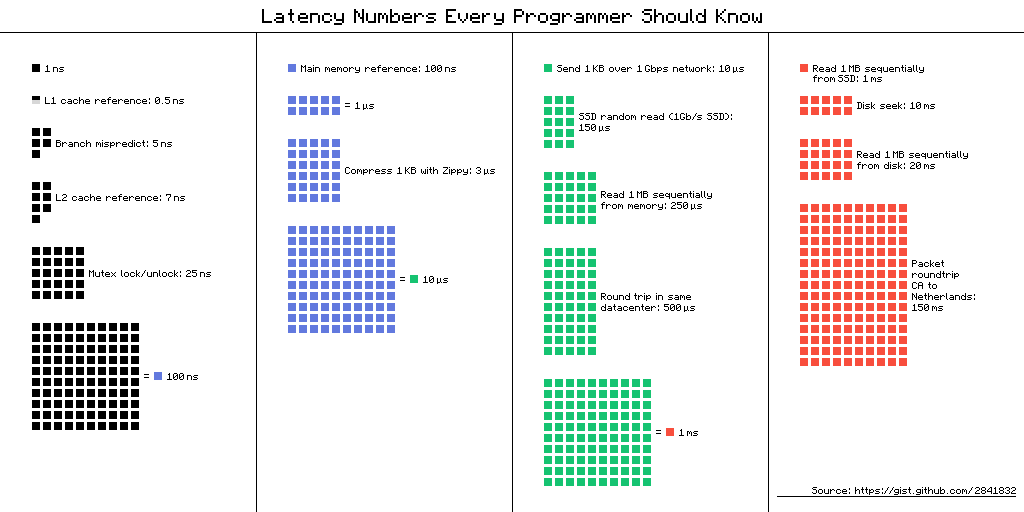
Tidepool Heavy Industries is urging developers to reconsider their reliance on natural language interfaces, highlighting the significant latency issues associated with large language models (LLMs). While natural language processing offers flexibility, the company emphasizes that LLM inference can be slow and costly, often taking tens of seconds to process. Tidepool suggests integrating structured user interfaces to mitigate these delays, enhancing efficiency without sacrificing the benefits of semantic understanding.
The Latency Challenge




The latency of LLMs is a growing concern in the tech industry. Traditional graphic user interfaces (GUIs) operate at a much faster pace, with responses in milliseconds compared to the seconds-long delays of LLMs. Tidepool points out that while GUIs lack the adaptability of natural language interfaces, they offer a more responsive user experience. The company proposes a hybrid approach, combining the structured efficiency of GUIs with the flexibility of LLMs to optimize user interactions.
Popup-MCP: A New Tool for Developers
Tidepool has introduced a tool called Popup-MCP, designed to bridge the gap between natural language interfaces and GUIs. This tool generates popups with a variety of GUI elements, such as checkboxes, sliders, and text boxes, allowing for more structured and efficient user interactions. Popup-MCP can adapt to the conversation’s context, providing conditional visibility for follow-up questions. This approach not only reduces latency but also offers insights into the LLM’s cognitive state, helping users steer conversations more effectively.
Implications for the Tech Industry
The integration of structured GUIs with LLMs has the potential to significantly reduce interaction latency, a critical factor for developers and users alike. By streamlining the interface design, Tidepool aims to enhance the user experience, making it faster and more intuitive. This development could influence how companies approach interface design, encouraging a shift towards more efficient and responsive systems.
As Tidepool continues to refine its approach, the company invites collaboration and feedback from the tech community. The goal is to foster innovation in interface design, ultimately improving the way users interact with technology.