
The Rise of Bloated News Websites: A User Experience Challenge
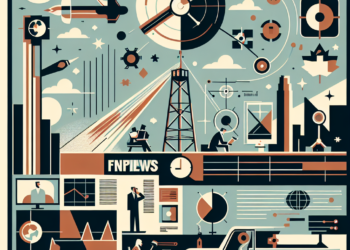
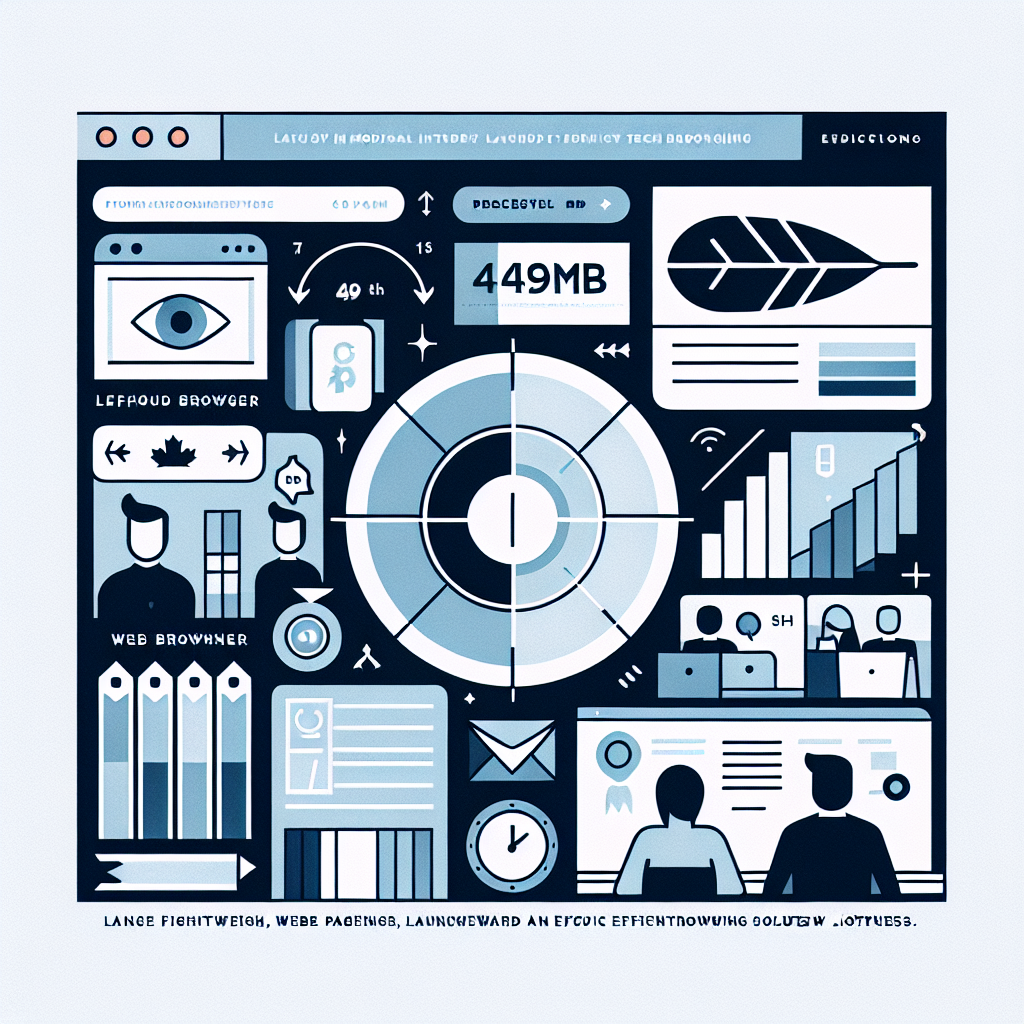
The increasing size and complexity of news websites are raising concerns about user experience and digital sustainability. A recent examination of the New York Times’ website revealed a staggering 49MB page load, highlighting a broader trend among major publishers. This phenomenon not only impacts user experience but also raises questions about the digital strategies of news organizations.
The Problem of Data-Heavy Web Pages


News websites today are often laden with ads and tracking scripts, contributing to massive data loads. For instance, a single page on the New York Times can generate over 400 network requests. This results in a cumbersome experience for users, as browsers struggle to process the data, often leading to delays and increased battery consumption on mobile devices. The heavy reliance on programmatic ad systems and tracking technologies is a key factor driving this trend. Publishers, caught in a cycle of maximizing ad revenue, often prioritize ad delivery over content accessibility, leading to bloated pages.
Industry Context and Competition
The digital advertising landscape is fiercely competitive, with publishers vying for ad dollars in a saturated market. This has led to the adoption of aggressive ad strategies that prioritize short-term gains over user satisfaction. As a result, many news websites employ intrusive ads, pop-ups, and tracking mechanisms that can alienate readers. The pressure to maintain high viewability and engagement metrics further exacerbates the problem, as publishers seek to keep users on their pages longer to justify higher CPM rates. This approach, however, risks long-term reader retention and brand loyalty.
Implications for the Future
The current state of news website design poses significant challenges for both users and publishers. As users become increasingly frustrated with intrusive ads and slow load times, they may turn to ad blockers or alternative news sources. For publishers, this could mean a decline in ad revenue and readership. The industry faces a critical juncture where balancing monetization with user experience is essential. Publishers may need to reconsider their digital strategies, focusing on streamlined, user-friendly designs that respect readers’ time and privacy.
Looking ahead, the sustainability of current practices is in question. Publishers must adapt to changing user expectations by prioritizing efficient, respectful digital experiences. This shift could foster greater trust and engagement, ultimately benefiting both users and the industry.