
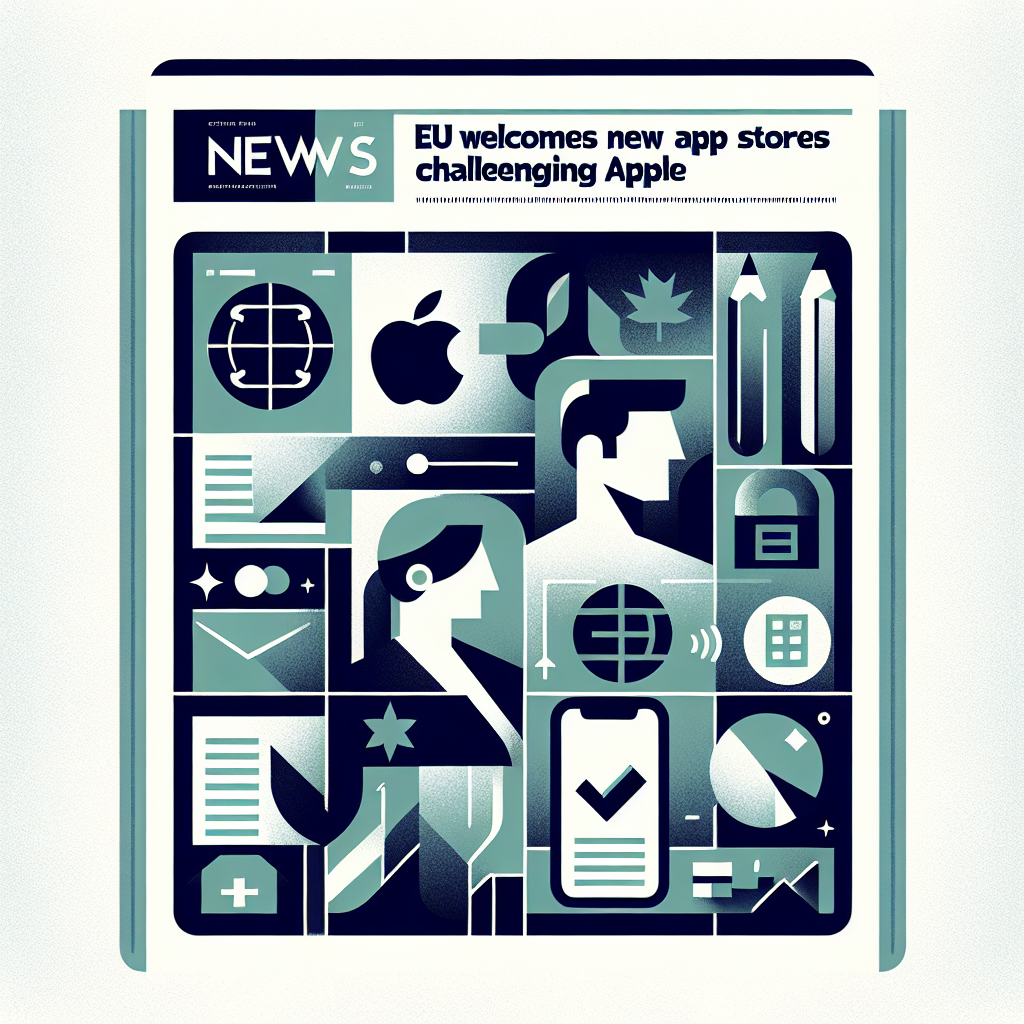
The European Union’s Digital Markets Act (DMA) is reshaping the app distribution landscape, allowing alternative app stores to flourish on Apple devices. This regulation aims to enhance competition by enabling users to access a variety of app marketplaces beyond Apple’s App Store. Developers can now distribute their apps through these third-party platforms, provided they comply with Apple’s notarization process to ensure security standards are met. However, developers must navigate Apple’s alternative business terms, including a Core Technology Fee for each first annual install.
### AltStore PAL in the EU
One of the prominent players capitalizing on this new opportunity is AltStore PAL, co-created by developer Riley Testut. Known for the Nintendo emulator app Delta, AltStore PAL offers an open-source platform for developers to distribute their apps independently. Unlike the App Store, apps on AltStore are self-hosted, allowing users to add only the apps they choose. Popular apps available include UTM, OldOS, and iTorrent, offering users a diverse range of options.



### Epic Games and Industry Competition
Epic Games has also entered the fray, launching its alternative iOS app store in the EU. This move comes after a prolonged legal battle with Apple over App Store policies. Epic’s store features popular games like Fortnite and Rocket League Sideswipe, and the company plans to expand its offerings to other alternative stores. This development highlights a growing trend of companies seeking to bypass traditional app store restrictions, potentially reshaping market dynamics.
### Implications for the App Ecosystem
The emergence of alternative app stores in the EU signals a shift in the app ecosystem, driven by regulatory changes. These stores not only offer developers new distribution channels but also challenge the dominance of established players like Apple. As markets like Japan adopt similar regulations, the landscape could see further diversification. This evolution presents both opportunities and challenges for developers and consumers, as they navigate new platforms and business models.
The ongoing developments in alternative app stores underscore a significant transformation in how apps are distributed and monetized. As regulations continue to evolve, the industry will likely see further innovation and competition, reshaping the digital marketplace globally.