
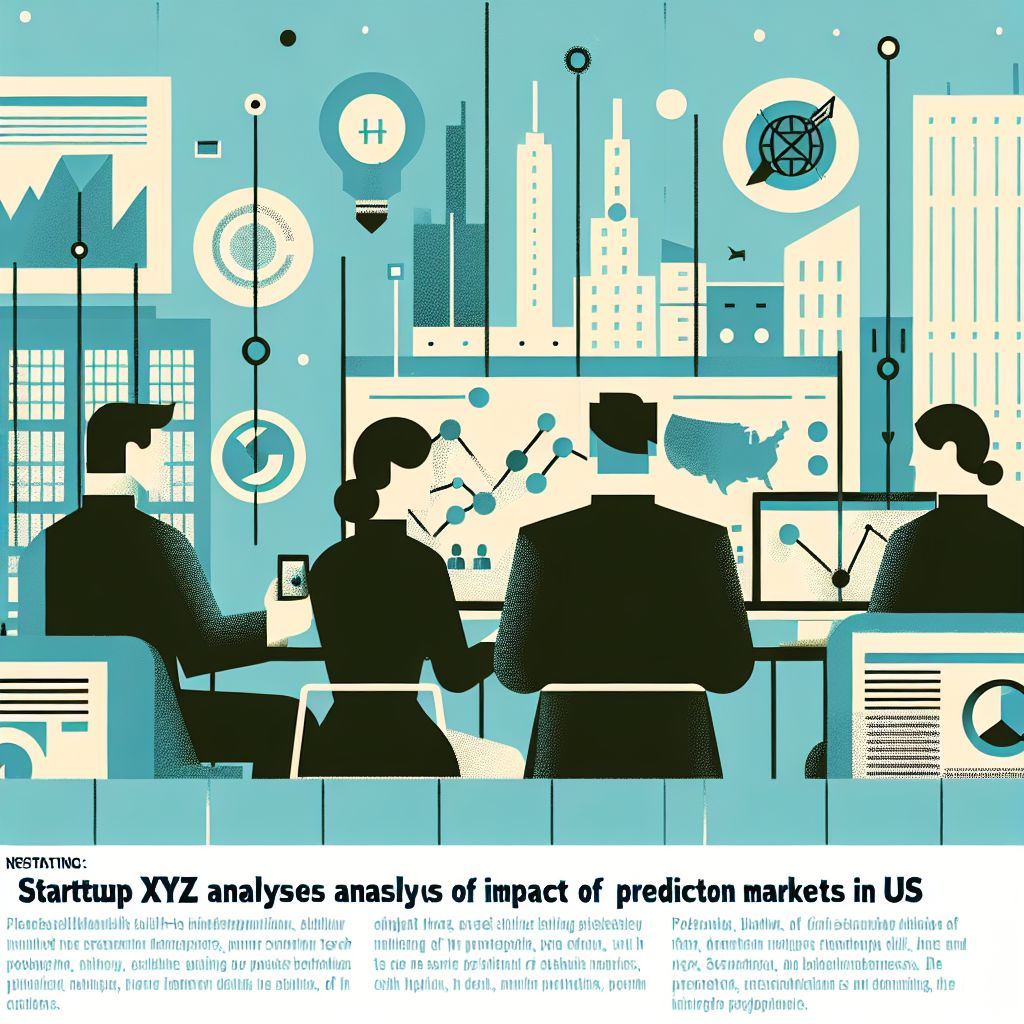
The Rising Influence of Gambling and Prediction Markets in America
The landscape of gambling and prediction markets in America is rapidly evolving, with significant implications for sports, politics, and society. Recent events highlight the growing influence of these markets, raising concerns about integrity and ethics.
### The Company and Product



Polymarket, a leading prediction market platform, has come under scrutiny following reports of suspicious betting activities. On February 28, a user named “Magamyman” placed a large bet on the U.S. bombing Iran, yielding a $553,000 payout after the event occurred. This incident is part of a broader trend where prediction markets are expanding beyond sports to encompass geopolitical events and other societal occurrences. Polymarket and similar platforms like Kalshi have seen their revenues soar, reaching around $50 billion in 2025, reflecting the widespread adoption of prediction markets.
### Context and Competition
The integration of gambling into various facets of American life has accelerated since the 2018 Supreme Court decision in Murphy vs. NCAA, which legalized sports betting. This decision opened the floodgates for an industry that saw Americans wager $160 billion on sports last year, a stark increase from less than $5 billion a decade ago. Major sports leagues, once staunch opponents of gambling, have embraced it, capitalizing on advertising and data deals. However, the infiltration of gambling into politics and journalism presents new ethical challenges. Reports suggest that journalists, like Emanuel Fabian, are being pressured to alter stories to influence betting outcomes, indicating a troubling intersection of media and market interests.
### Market and Industry Implications
The burgeoning gambling and prediction market industry poses risks to individual bettors, players, and the integrity of institutions. With an increase in gambling addiction and related bankruptcies, concerns about personal harm are mounting. The integrity of sports and other institutions is also at risk, as evidenced by the FBI’s recent arrests of individuals involved in gambling schemes. The potential for similar scandals in politics is not far-fetched, raising questions about the influence of financial interests on policy decisions.
The rapid expansion of gambling and prediction markets highlights a shift in societal values, where financial gain increasingly overrides traditional moral and ethical considerations. As these markets continue to grow, they may further erode trust in institutions, leading to a more cynical and disengaged public.
What happens next will depend on regulatory responses and societal attitudes toward gambling. The challenge lies in balancing the benefits of market efficiency with the need to preserve ethical standards and institutional integrity.