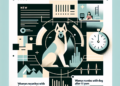


Ring Faces Privacy Concerns After Super Bowl Ad
Ring’s recent Super Bowl commercial, featuring its new AI-powered feature "Search Party," has sparked a wave of privacy concerns. The feature, designed to help locate lost dogs using Ring camera footage, was intended to showcase the company’s innovative use of technology. However, the ad’s depiction of a neighborhood grid with cameras activating simultaneously has raised alarms about surveillance and privacy.
The Product and Its Controversy
Ring’s "Search Party" allows users to opt in to share camera footage when a pet goes missing. Founder Jamie Siminoff likens it to deciding whether to call a number on a lost dog’s collar. Despite this, the ad’s visual representation of widespread camera activation has fueled privacy fears. Siminoff acknowledges the ad’s impact, stating he would change the imagery if given the chance.




The controversy comes amid heightened scrutiny of home surveillance. The recent disappearance of Nancy Guthrie, captured by a Google Nest camera, has intensified the debate. Siminoff argues that more cameras could aid such investigations, but critics view this as a push to increase Ring’s market presence.
Industry Context and Competition
Ring’s approach to privacy and surveillance is under the microscope as the company expands its offerings. The company recently relaunched its "Community Requests" feature, partnering with Axon to allow law enforcement to request footage from Ring users. This move follows the termination of a partnership with Flock Safety, which had raised concerns due to data-sharing practices.
The timing of these developments coincides with broader discussions about surveillance, including a recent NPR report highlighting the expansive reach of federal agencies. This context amplifies the scrutiny on Ring’s data practices and its partnerships.
Market Implications
Ring’s expansion into enterprise security and potential exploration of outdoor drones and license plate detection indicates a strategic move beyond residential markets. With over 100 million cameras deployed, Ring aims to position itself as a leader in security technology. However, balancing innovation with privacy remains a challenge.
Siminoff emphasizes user control, stating that each home should decide its level of participation in community surveillance. Yet, as privacy concerns grow, Ring must navigate the fine line between technological advancement and user trust.
Looking Ahead
As Ring continues to innovate, the company faces the ongoing task of addressing privacy concerns while expanding its market reach. The response to its Super Bowl ad highlights the delicate balance required in the surveillance industry, where technological capabilities must align with public comfort and regulatory standards. Ring’s future developments will likely be closely watched as it adapts to this evolving landscape.
For more information, visit Ring’s website.