**PixelRAG: A New Approach to AI Retrieval Accuracy**
The traditional method of converting web pages into plain text for enterprise retrieval-augmented generation (RAG) pipelines has been found lacking, especially in terms of accuracy. A new research project from UC Berkeley, Princeton University, EPFL, and Databricks introduces PixelRAG, a system that bypasses this conversion step altogether. By indexing rendered screenshots instead of text, PixelRAG improves accuracy by up to 18.1% over text-based models and slashes AI agent token costs by a factor of ten. This could be a game-changer for companies relying heavily on AI-driven information retrieval.
**The PixelRAG Difference**
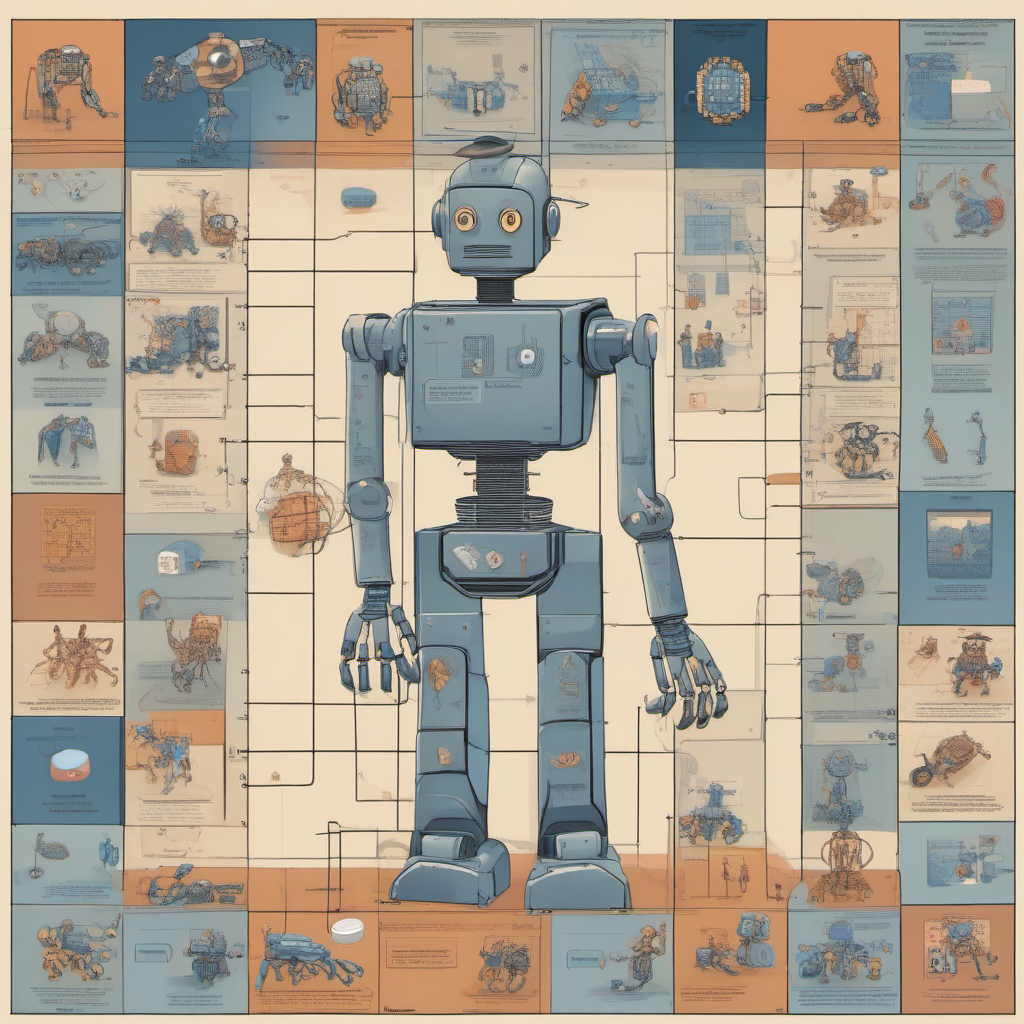
PixelRAG fundamentally changes how information is retrieved and processed by AI. Traditionally, RAG systems convert web pages into text, which can introduce errors and result in significant loss of data due to the inability to capture visual elements like images, layout, and typography. PixelRAG sidesteps these pitfalls by using a vision-language model (VLM) that processes images of web pages directly.
The system operates through a streamlined four-stage process: rendering, tiling, indexing, and retrieval. Web pages are rendered into images using Playwright, then divided into tiles. These tiles are indexed and fed directly into the VLM, which interprets them in a way that maintains the original layout and structure of the page. This approach allows the system to understand context and visual cues that are often lost in text-only models.
**Competitive Context and Challenges**
PixelRAG enters a competitive landscape where traditional text-based RAG models dominate. These models rely on natural language processing (NLP) techniques that have been tried and tested over years. However, as AI continues to evolve, the limitations of text-only systems become more apparent, particularly in accurately retrieving structured data embedded within complex web layouts.
While PixelRAG shows promise, it is not without its challenges. The computational cost of rendering and indexing images is higher than text, which may pose scalability issues for some enterprises. However, the reduction in token costs and the improvement in retrieval accuracy could offset these initial costs, especially for organizations where precision is critical.
**Implications for Founders, Engineers, and the Industry**
For founders and engineers, PixelRAG offers a fresh perspective on AI retrieval systems. By leveraging the capabilities of vision-language models, it opens up new possibilities for developing AI applications that require a deep understanding of both content and context. This could be particularly beneficial for industries like e-commerce, where product information is often presented in a visually complex format.
Investors and venture capitalists should take note of the potential for PixelRAG to disrupt existing models. As more companies look to enhance their AI capabilities, systems that offer improved accuracy and cost-efficiency will become increasingly attractive.
**What’s Next?**
PixelRAG’s approach could signal a shift in how AI models handle information retrieval. As the technology matures, we can expect further refinements that may address current computational challenges. For those in the tech industry, particularly those involved in AI development, PixelRAG represents a compelling area of exploration. Founders and engineers who can adapt this technology to their specific needs might find themselves ahead in the race for more efficient and accurate AI-driven solutions.