
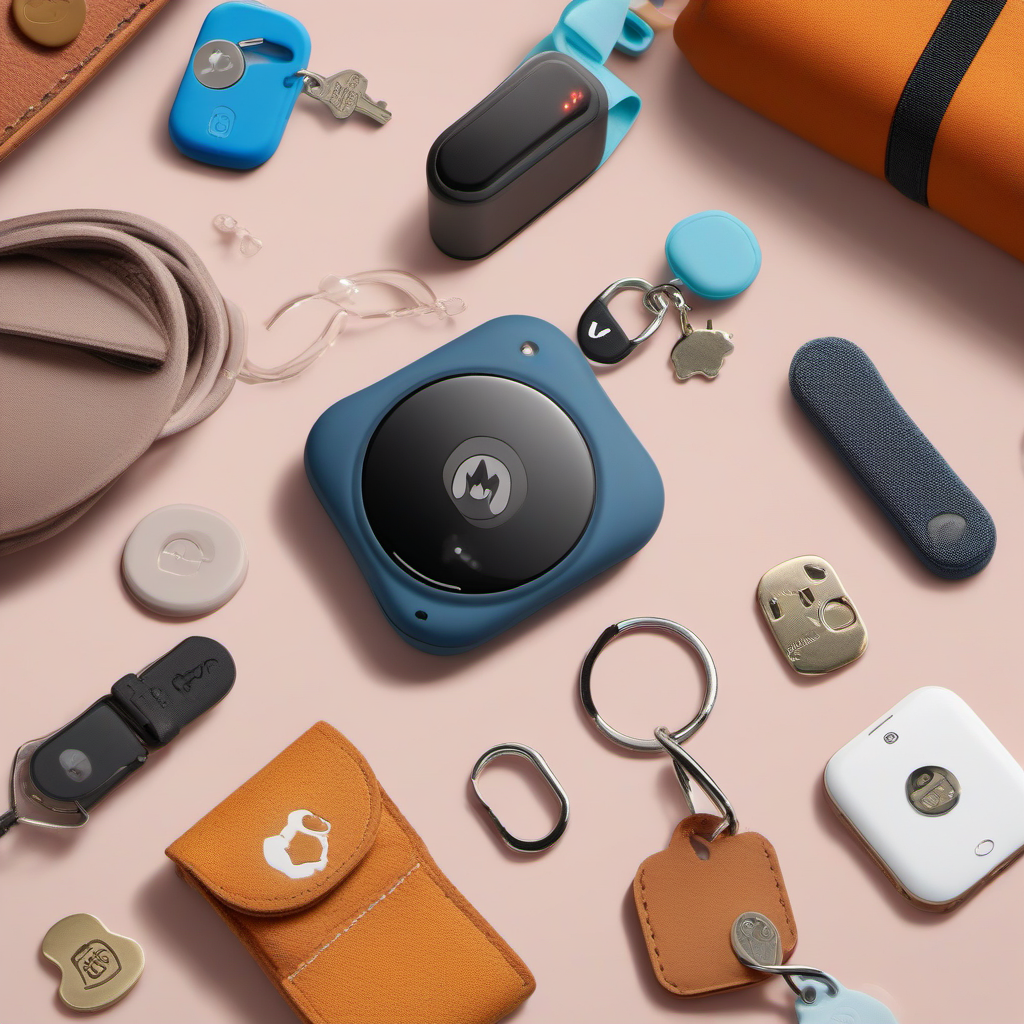
Motorola has launched the Moto Tag 2 in Canada, adding a new player to the crowded field of Bluetooth trackers. With a price tag of $39.99, Motorola aims to woo Android users seeking alternatives to Apple’s AirTag. The device features Bluetooth 6.0 and Ultra Wideband (UWB) technology, promising precise tracking capabilities. But with a market already saturated with similar gadgets, does this device offer enough to stand out?
### What the Moto Tag 2 Actually Does
The Moto Tag 2 is designed to help users keep track of their belongings with the convenience of a smartphone app. It utilizes Bluetooth 6.0 and UWB to offer accurate location tracking for items like keys, bags, or even pets. The device is IP68 certified, meaning it’s dust-tight and can withstand being submerged in water, making it a durable choice for those with an active lifestyle.
A standout feature is its compatibility with Android, a market segment often overlooked by competitors like Apple’s AirTag. The Moto Tag 2 also includes a Find Hub, which integrates with other Motorola devices for enhanced tracking capabilities. Additionally, the remote shutter function allows the device to double as a camera trigger, adding a layer of utility beyond simple tracking.

### Competitive Context
The Bluetooth tracker market is dominated by a few big names. Apple’s AirTag has set a high bar with its seamless integration into the Apple ecosystem, while Tile has long been a favorite for its cross-platform functionality. Samsung’s SmartTag also competes in this space, focusing on Galaxy device users.
Motorola’s entry into this landscape is intriguing but not without challenges. While the Moto Tag 2 offers similar features at a competitive price, it lacks the brand loyalty and ecosystem integration that Apple offers. Its appeal largely rests on its Android-friendly nature and additional features like the remote shutter. However, whether these are enough to lure customers from established brands remains to be seen.
### Real Implications for Founders, Engineers, and the Industry
For founders and engineers, the launch of the Moto Tag 2 underscores the importance of differentiation in a saturated market. While technical specs like UWB and IP68 waterproofing are attractive, they are not unique selling points in 2023. Successful products in this space often offer seamless integration or additional features that provide real consumer value.
For the wider industry, Motorola’s entry might inspire further innovation, particularly in enhancing cross-platform compatibility. As more companies enter this sector, the focus may shift from hardware specifications to software ecosystems that offer a more integrated user experience. For engineers, this means that the future lies not just in developing robust hardware but also in creating intuitive, user-friendly software that can set a product apart.
### What Happens Next
Motorola’s challenge will be to carve out a niche in a market where brand loyalty and ecosystem integration are significant hurdles. The company will need to leverage its strengths in Android compatibility and additional features to attract a dedicated user base.
For founders and engineers contemplating entering the Bluetooth tracker market, the lesson is clear: differentiation is key, and consumer value must be at the forefront of product development. As the tech landscape evolves, those who can blend hardware innovation with software excellence will likely find the most success.