
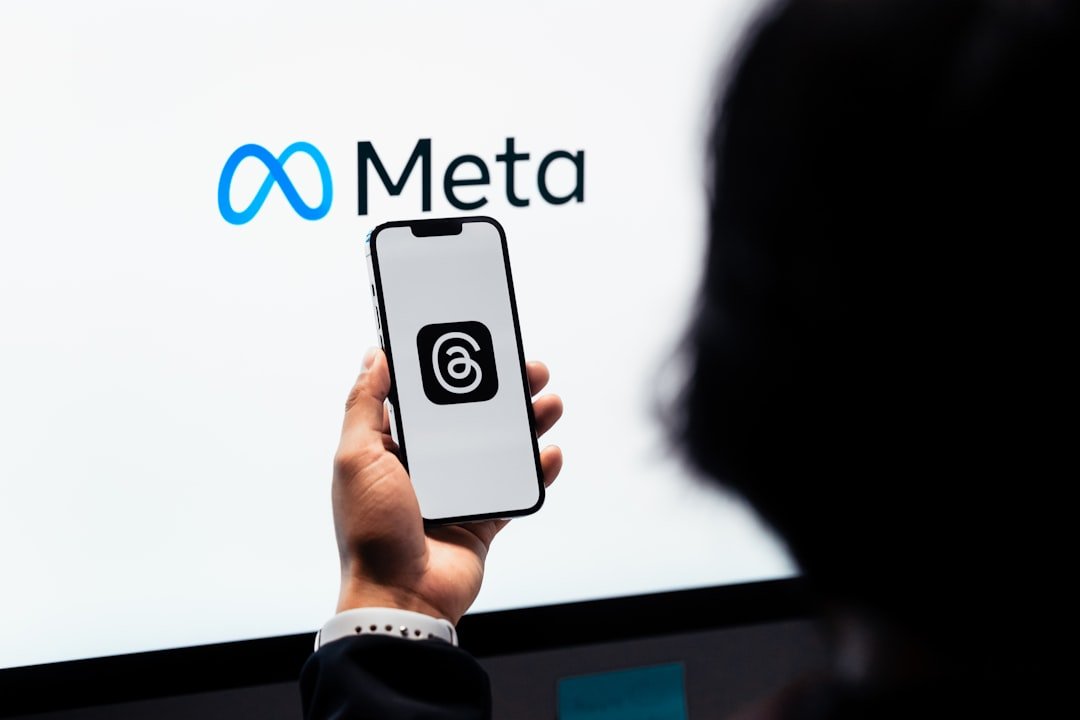
Meta’s Oversight Board, an independent body devised to review content moderation decisions, has raised concerns about the transparency and fairness of account bans on Meta platforms, including Facebook and Instagram. The board criticized the lack of due process in these bans and called for more transparency in how violations are communicated to users. This scrutiny could have ramifications for how Meta handles billions of user accounts and its reliance on artificial intelligence to enforce community standards.
## What Meta’s Oversight Board is Highlighting
The Oversight Board, established to provide checks and balances on Meta’s content moderation, has flagged the opaque nature of account bans. The board’s analysis suggests that users often receive insufficient information about why their accounts were banned or what specific guidelines were violated. This lack of clarity leaves users in the dark and unable to effectively appeal decisions.
The board is advocating for Meta to improve its communication strategies, ensuring users are informed about the nature of their violations. Additionally, the board is urging Meta to clarify the role of artificial intelligence in these decisions. AI is a crucial tool in Meta’s moderation arsenal, but its opaque decision-making process can lead to misunderstandings and mistrust among users.

## The Competitive Context in Social Media Moderation
Meta isn’t the only social media giant grappling with user dissatisfaction over account bans. Twitter, now X under Elon Musk’s leadership, faced similar backlash for unclear suspension reasons and arbitrary enforcement. TikTok and YouTube have also been criticized for seemingly capricious moderation decisions.
The challenge lies in balancing effective moderation to maintain platform safety with the transparency users demand. This task becomes increasingly complex as platforms scale and content volume grows. Meta’s reliance on AI is a double-edged sword—while it allows for moderation at scale, it often lacks the nuance of human judgment, leading to calls for greater oversight and accountability.
## Implications for Founders, Engineers, and the Industry
For founders and engineers, Meta’s struggles signal a cautionary tale about the complexities of scaling moderation systems. As platforms grow, the temptation to rely heavily on AI for content moderation increases. However, this reliance can lead to opaque decision-making processes that alienate users and invite regulatory scrutiny.
Engineers working on AI moderation tools must prioritize explainability and transparency to ensure users understand how decisions are made. This approach not only builds trust but also aligns with evolving regulatory frameworks that demand accountability from tech companies.
For investors and industry watchers, the Oversight Board’s findings could indicate a shift towards increased regulation in social media moderation. Companies may need to allocate resources to enhance transparency and user communication, potentially impacting profitability and operational strategies.
## Looking Ahead
Meta’s response to the Oversight Board’s recommendations will set a precedent for how tech giants handle moderation transparency. Founders and engineers should consider these developments as a reminder that user trust is as critical as technological prowess. Building platforms with transparent moderation processes could become a key differentiator in a crowded market.