
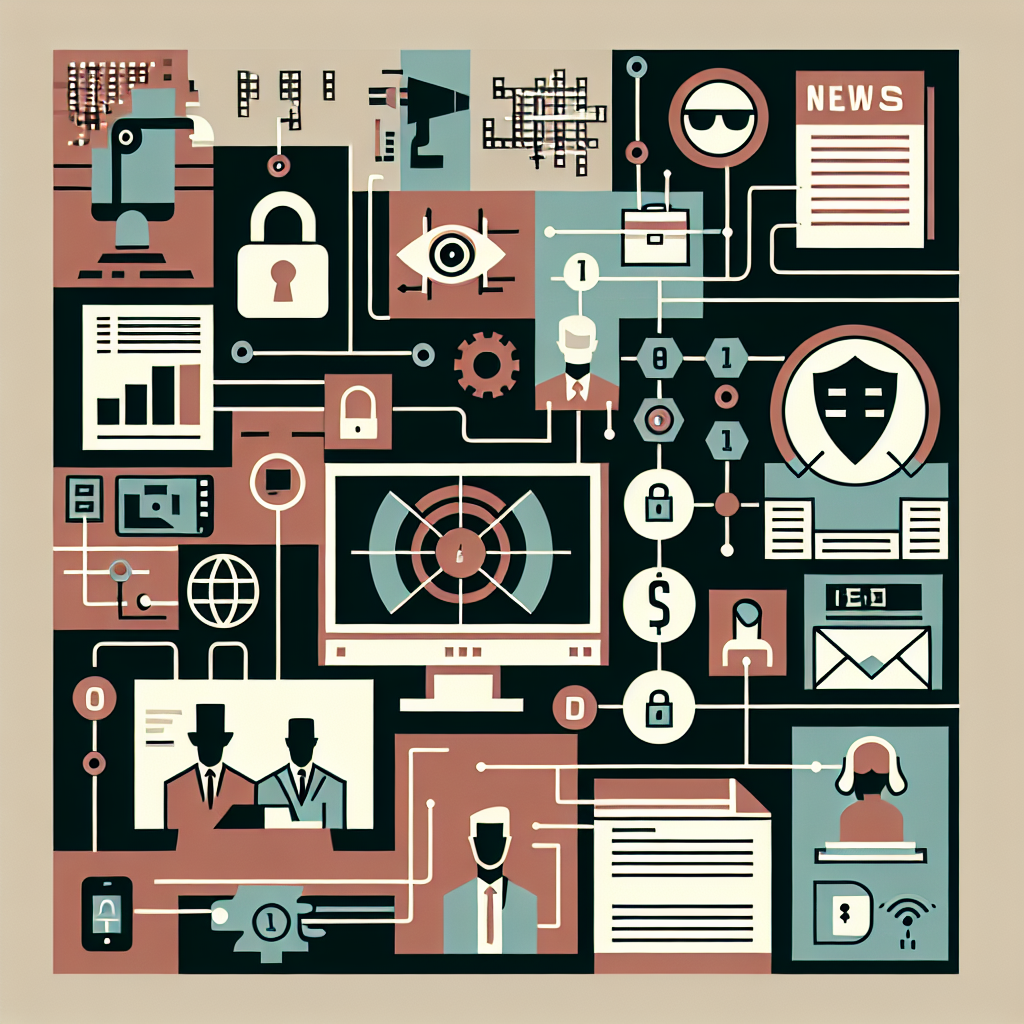
A prominent journalist in Angola has fallen victim to a hacking incident involving Intellexa’s controversial Predator spyware, according to a report by Amnesty International. The investigation revealed that Teixeira Cândido’s iPhone was compromised after he clicked on a malicious link sent via WhatsApp in 2024. This case highlights ongoing concerns about the use of spyware against civil society figures.
### Intellexa and Predator Spyware
Intellexa, known for its contentious role in the spyware industry, has been under scrutiny for its practices and affiliations. Operating through a complex network of corporate entities, the company has managed to evade export laws. The U.S. government has previously sanctioned Intellexa, its founder Tal Dilian, and his associate Sara Aleksandra Fayssal Hamou, citing concerns over the misuse of their technology. Despite these sanctions, Intellexa continues to operate, with its spyware reportedly being used in multiple countries, including Egypt, Greece, and Vietnam.



### Context and Competition
The use of commercial spyware by government entities is not new, but it has drawn increased attention due to its impact on journalists and activists. Amnesty International’s findings suggest that Predator spyware was deployed in Angola as early as March 2023. The spyware cleverly disguises itself as legitimate iOS processes, making detection challenging. This incident is part of a broader pattern of surveillance abuses, with similar cases reported in various countries.
### Industry Implications
The recurring misuse of spyware like Predator raises significant concerns about privacy and security. The ability of companies like Intellexa to operate despite sanctions underscores the challenges regulators face in curbing the proliferation of such technologies. The situation calls for stronger international cooperation and regulatory frameworks to protect individuals from unauthorized surveillance.
Amnesty International’s report underscores the need for vigilance and transparency in the use of surveillance technologies. As investigations continue, the focus will likely remain on identifying and holding accountable those responsible for these intrusions. The case of Teixeira Cândido serves as a stark reminder of the vulnerabilities faced by journalists and activists worldwide.