
Cash Issuing Terminals: A Cornerstone of Automated Banking
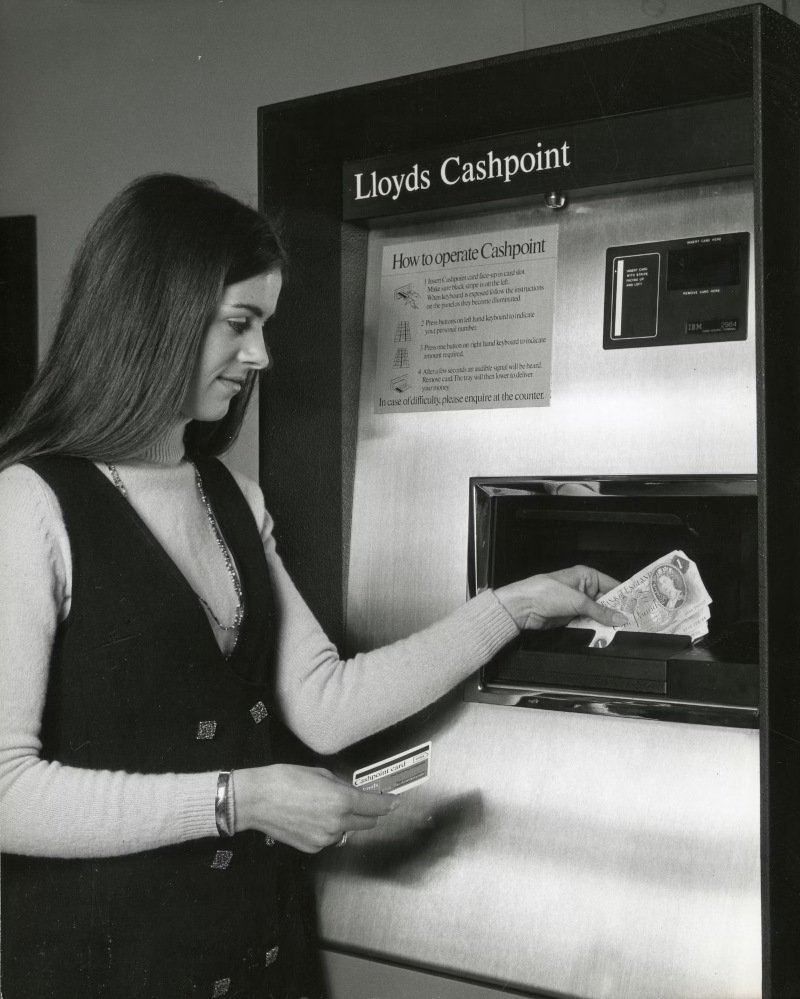
Cash issuing terminals, commonly known as ATMs, have become an integral part of modern banking, offering customers convenient access to cash and other banking services. These machines have evolved significantly since their inception, reflecting broader trends in financial technology and consumer preferences.
IBM’s Role in ATM Development



IBM played a pivotal role in the development of early ATMs. In 1972, the company introduced the IBM 2984 Cash Issuing Terminal, which was among the first to allow real-time transaction authorization through a secure connection to a central computer. This innovation marked a departure from earlier token-based systems, which relied on pre-issued paper tokens for cash withdrawals. The IBM 2984’s use of encrypted communications laid the groundwork for secure ATM networks, a standard that persists today. Despite its technological advances, the 2984 faced limited commercial success, largely due to its high cost and the rapid emergence of competitors.
Competition and Market Dynamics
The ATM market quickly became competitive, with companies like NCR and Diebold introducing their own machines. These competitors offered more flexible and cost-effective solutions, which were often compatible with existing banking infrastructure. NCR, for example, achieved significant market penetration by designing ATMs that could emulate IBM’s 3624 software, allowing banks to modernize without overhauling their entire systems. This interoperability became a critical factor in the widespread adoption of ATMs, as banks sought to balance technological advancement with cost management.
Industry Implications
The evolution of cash issuing terminals has had significant implications for the banking industry. ATMs have not only transformed customer interactions with banks but have also influenced the development of secure transaction technologies. The introduction of the Data Encryption Standard (DES), initially developed for ATM communications, has had lasting impacts on data security practices across industries. As banks continue to integrate digital and physical services, ATMs remain a crucial touchpoint, ensuring accessibility and convenience for customers.
Looking Ahead
The future of cash issuing terminals appears promising, with ongoing innovations aimed at enhancing functionality and security. As financial institutions continue to adapt to changing consumer behaviors and technological advancements, ATMs are likely to remain a vital component of the banking landscape. For more information on IBM’s contributions to technology, visit their official website.