
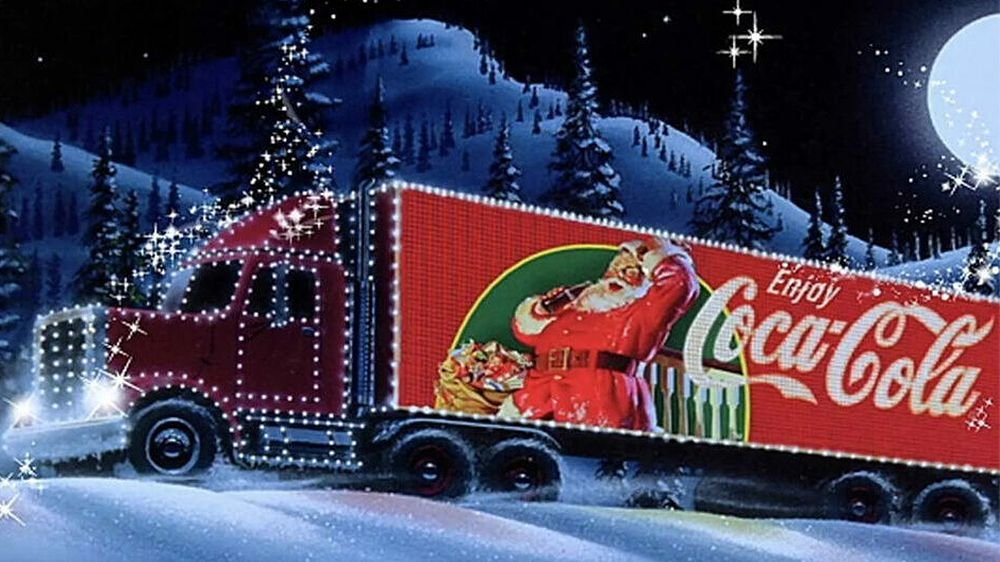
For decades, Coca Cola has owned one of the most recognisable pieces of Christmas advertising in global media. The classic Christmas Trucks commercial is iconic for a reason. The warm glow of the red trucks, the snowy forest, the choir, the young boy ringing the church bell. For many families, its appearance on television marks the unofficial start of the Christmas season.
This year, Coca Cola replaced that legacy with an entirely new advertisement created with artificial intelligence. The result has sparked widespread criticism online. Viewers describe the visuals as unsettling, uncanny and emotionally hollow. The imagery resembles the type of AI generated holiday posts that circulate on Facebook rather than a flagship campaign from one of the largest consumer brands in the world.

What Coca Cola Released
According to Coca Cola, the new advertisement was part of its broader effort to integrate AI into creative work. The company has been publicly experimenting with AI assisted campaigns since early 2023. The Christmas ad is a montage of AI generated scenes intended to show how people around the world celebrate the holiday season.




However, viewers quickly noted issues. Many of the scenes contain distorted faces, unnatural lighting and physics that do not resemble real life. Several frames appear stitched together in ways that break continuity. The final product does not match the level of polish people expect from a company that has historically set industry standards for Christmas advertising.
Why This Feels Wrong to So Many People
Coca Cola’s Christmas branding is built on nostalgia and emotional familiarity. The classic Trucks advertisement works because it feels human. It is grounded in real cinematography, real actors and tangible settings. People associate it with memories, childhood and tradition.
By contrast, the AI version lacks a human signature. There is no emotional centre, no meaningful story and no sense of craft. What is most striking is that Coca Cola chose to replace a time trusted tradition with something that feels experimental and untested.

A Wider Concern About AI in Creative Work
As a tech publication, we often highlight the ways AI can accelerate workflows, enable new creative possibilities and expand access to tools that once required specialised skills. There is tremendous value in that.
However, AI also has limits. There is a difference between using AI to enhance human creativity and using it to replace cultural touchstones that rely on emotional depth. The arts work when there is intention, perspective and care. A Christmas advertisement is not simply content to fill space. It is storytelling.
Coca Cola’s decision highlights a growing trend of major brands replacing handcrafted creative work with AI produced material that lacks the human connection audiences expect. When a company with the resources of Coca Cola opts for an AI shortcut on its most important seasonal campaign, it sends a message about where the industry is heading.

Viewers Are Not Wrong To Expect Better
Coca Cola has every right to experiment, but the public is also justified in its disappointment. The original Christmas Trucks advertisement became iconic because it was made with effort and artistry. When that is replaced with an AI generated reel that feels impersonal, people notice.
The question is not whether AI should be used in advertising. The question is where it should be used. Tools that help artists work faster or unlock new visual ideas can add value. Tools that replace emotional craft with algorithmic output erode the very things audiences care about.
This year’s Coca Cola Christmas ad is a reminder that technology should help the arts grow upward, not flatten them.