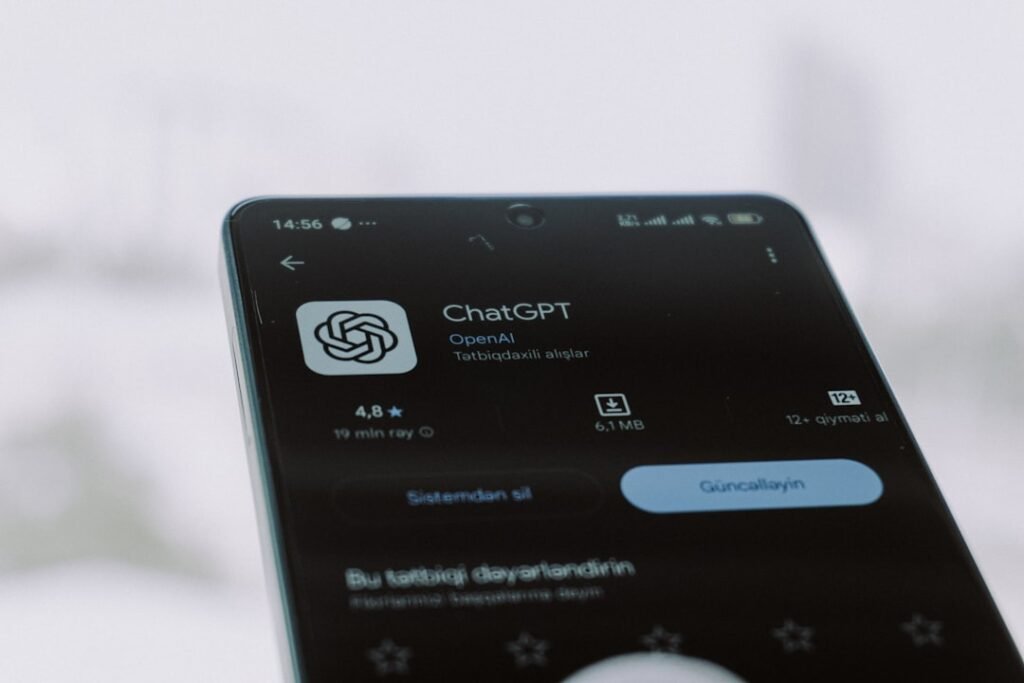
ChatGPT’s Market Share Slips Below 50% for First Time
ChatGPT, the AI assistant that once dominated the market, has seen its share dip below 50% for the first time. Despite maintaining its position as the most popular AI chatbot globally with over 1.1 billion monthly users, the decrease signals a shift in the competitive landscape. This change matters because it highlights evolving consumer preferences and intensifying competition in the AI space, posing questions about the future of AI assistants.
What Does ChatGPT Actually Do?
ChatGPT, developed by OpenAI, is an AI-driven chatbot designed to simulate human-like conversations. It leverages natural language processing to provide users with a wide range of responses, from answering questions to drafting emails, assisting in creative writing, and even coding help. Its versatility has made it a go-to tool for individuals and businesses seeking a digital assistant capable of performing a variety of tasks with minimal human intervention. However, as the market evolves, the once-clear advantages of ChatGPT are now being challenged by emerging competitors offering similar functionalities.
Competitive Context: The Rise of Gemini and Claude
The AI assistant market is becoming increasingly crowded, with new entrants rapidly gaining traction. Notably, Google’s Gemini and Anthropic’s Claude are making significant inroads. Gemini, with its 662 million monthly users, is gaining popularity due to its integration with Google’s suite of services, offering seamless functionality for those already embedded in the Google ecosystem. Meanwhile, Claude, with 245 million users, appeals to users with its emphasis on ethical AI and privacy—a growing concern among consumers.
Both competitors are leveraging their unique strengths to carve out niches in the market, challenging ChatGPT’s previously unassailable position. The changing dynamics suggest that users are looking for more specialized features and are willing to explore alternatives to meet their specific needs.
Real Implications for Founders, Engineers, and the Industry
For founders and engineers in the AI space, the shifting market share dynamics present both challenges and opportunities. The decline of ChatGPT’s dominance underscores the importance of continuous innovation and differentiation. Startups and established companies alike must focus on developing unique features or addressing specific user pain points to stand out in an increasingly crowded market.
For the industry as a whole, the diversification of AI assistants could lead to more robust competition, potentially driving down costs and spurring further advancements in AI capabilities. However, it also raises the stakes for data privacy and ethical AI practices, as consumers become more discerning about how their data is used and protected.
What Happens Next?
As ChatGPT’s market share continues to shift, OpenAI will need to reassess its strategy to maintain its lead. This could mean enhancing current features, improving user experience, or even branching into new markets. For founders and engineers, this landscape presents a chance to innovate and capture market share by focusing on niche applications or unmet needs. Investors will need to keep a close eye on market trends and consumer preferences to back the next wave of AI solutions that promise tangible value over mere hype.