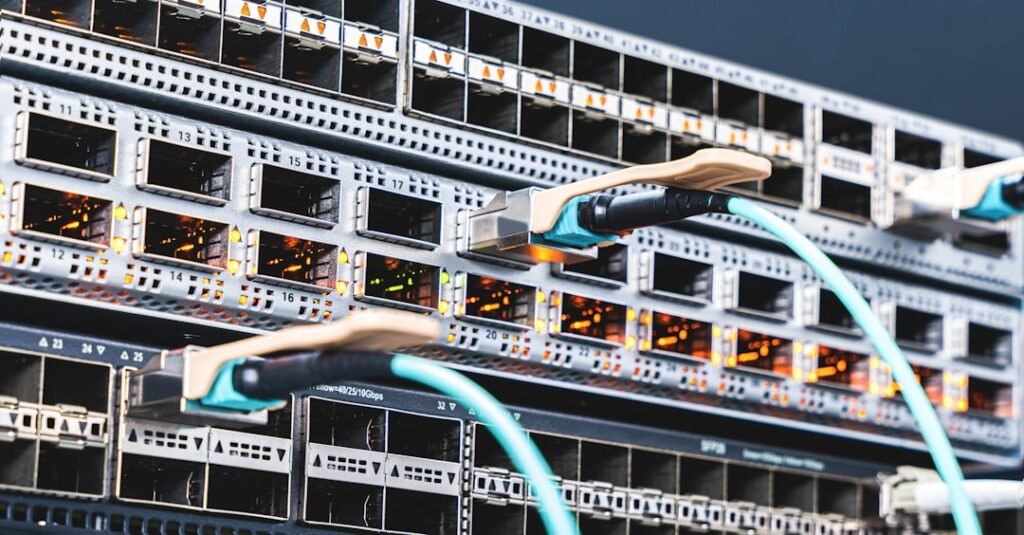
In an era where data is the new oil, the construction of AI data centers has become a subject of intense interest and scrutiny. Yet, despite their growing importance, many of these facilities are being built under the radar, shrouded in secrecy. The implications of this clandestine approach are significant, raising questions about transparency, security, and the future landscape of digital infrastructure.
## What AI Data Centers Actually Do
AI data centers are specialized facilities designed to handle the massive computational demands of artificial intelligence applications. Unlike traditional data centers, which are primarily focused on storing and managing data, AI data centers are optimized for high-performance computing tasks. These tasks include training complex machine learning models, processing large datasets, and running AI algorithms that require immense processing power.
These centers are equipped with advanced hardware, such as Graphics Processing Units (GPUs) and Tensor Processing Units (TPUs), which are essential for AI workloads. Companies like NVIDIA and Google are leaders in providing the necessary technology. The centers are often located in regions with access to renewable energy sources, given the substantial electricity consumption involved in maintaining AI operations.
## Competitive Context and Market Dynamics
The race to build AI data centers is intensifying as companies seek to harness the power of artificial intelligence to gain a competitive edge. Tech giants such as Google, Microsoft, and Amazon are heavily investing in these facilities to support their AI-driven services and cloud computing platforms. For instance, Microsoft recently announced a $10 billion investment in AI infrastructure, reflecting the industry’s commitment to expanding its capabilities.
However, the secrecy surrounding these projects can be attributed to several factors. Competitive advantage is a primary concern; revealing details about a new data center could tip off competitors about strategic moves. There’s also the issue of local opposition—communities are increasingly wary of the environmental impact and resource consumption associated with data centers. By keeping plans under wraps, companies can avoid public backlash and regulatory hurdles until projects are well underway.
## Real Implications for Founders, Engineers, and the Industry
For founders and engineers, the trend towards secretive data center construction presents both challenges and opportunities. On one hand, the lack of transparency can make it difficult to assess the competitive landscape and understand potential collaborators or partners. On the other hand, the demand for AI-related technologies and expertise is likely to grow, presenting significant opportunities for startups and professionals specializing in AI infrastructure and sustainability solutions.
For the industry as a whole, the clandestine nature of AI data center development raises concerns about accountability and ethical considerations. As these facilities become integral to the global digital economy, there is a pressing need for clear standards and regulations to ensure they are built and operated responsibly. This includes addressing issues such as data privacy, energy efficiency, and environmental sustainability.
## What Happens Next
As the construction of AI data centers continues to expand, stakeholders should anticipate increased scrutiny from regulators and the public. Transparency and collaboration may become essential for companies looking to foster trust and mitigate potential backlash. For founders and engineers, staying informed about regulatory trends and technological advancements will be crucial to navigating the evolving landscape of AI infrastructure. The future may not lie in secrecy but in strategic openness that balances innovation with responsibility.