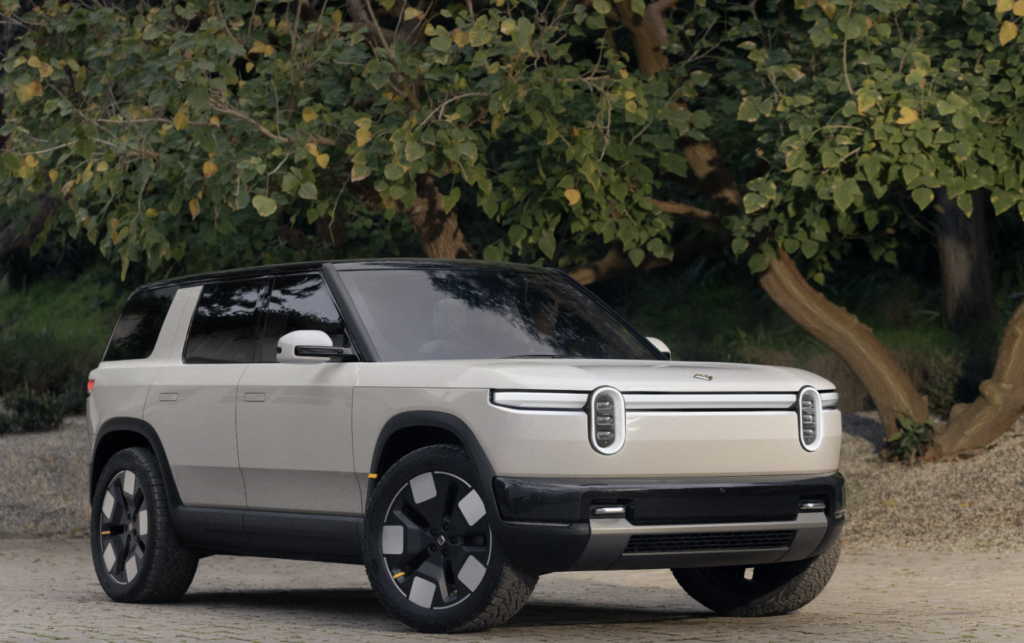
As the electric vehicle (EV) landscape continues to evolve, one company that has captured the attention of many is Rivian. Founded by R.J. Scaringe, Rivian has made a name for itself by producing a range of innovative EVs, including the R1T pickup truck and the R1S SUV. However, despite its promising start, Rivian is now facing a daunting challenge: can it survive the “Valley of Death” – a term coined by Elon Musk to describe the treacherous period when a company must navigate scaling up production, reducing costs, and hitting breakeven while maintaining investor confidence?
The Valley of Death
Rivian’s struggles are not unique. Many EV startups have faced similar challenges, with some ultimately succumbing to financial pressures. Tesla, for example, spent years navigating its own Valley of Death, investing heavily in research and development, production, and marketing to establish itself as a leader in the EV space. Rivian, too, must navigate this treacherous terrain to emerge as a successful, sustainable business.
Financial Challenges
One of the biggest hurdles facing Rivian is its financial health. The company is burning through cash at an alarming rate, with a quarterly burn of around $1 billion. With only $7 billion in cash reserves, Rivian has only about two years before it needs to secure additional funding to sustain its operations. Operating costs have been consistently high, reaching $860 million in the latest quarter, and the company is still reporting net losses.
However, Rivian has made some progress in reducing its costs. Automotive cost of goods sold fell to $830 million in the latest quarter, down from around $1.6 billion a year earlier. The company has also been investing in research and development, with a focus on autonomy efforts and the R2 platform – critical components of Rivian’s next phase of growth.
Competition
Rivian’s competitors are not going away anytime soon. Tesla, the market leader, continues to innovate and expand its product line. Lucid, a more direct competitor, has been gaining traction with its own range of EVs. While Lucid’s financials are uncertain, the company has an edge in terms of product offerings and has secured funding from tech giants like Amazon and auto giants like Volkswagen and Ford.
The R2: A Turning Point?
Rivian’s next product, the R2, could be a turning point for the company. With a lower price tag than earlier models, the R2 has the potential to win over the market. Can its sales generate enough revenue to justify the company’s investments and operating costs? The answer will likely determine Rivian’s fate.
Conclusion
Rivian’s survival is far from certain. The company must navigate the Valley of Death, reduce its costs, and generate revenue to sustain its operations. The competition is fierce, and the company’s financial health is precarious. However, Rivian has a solid product lineup and is investing in areas that could drive long-term value. The next few quarters will be crucial in determining whether Rivian can emerge as a successful, sustainable business.