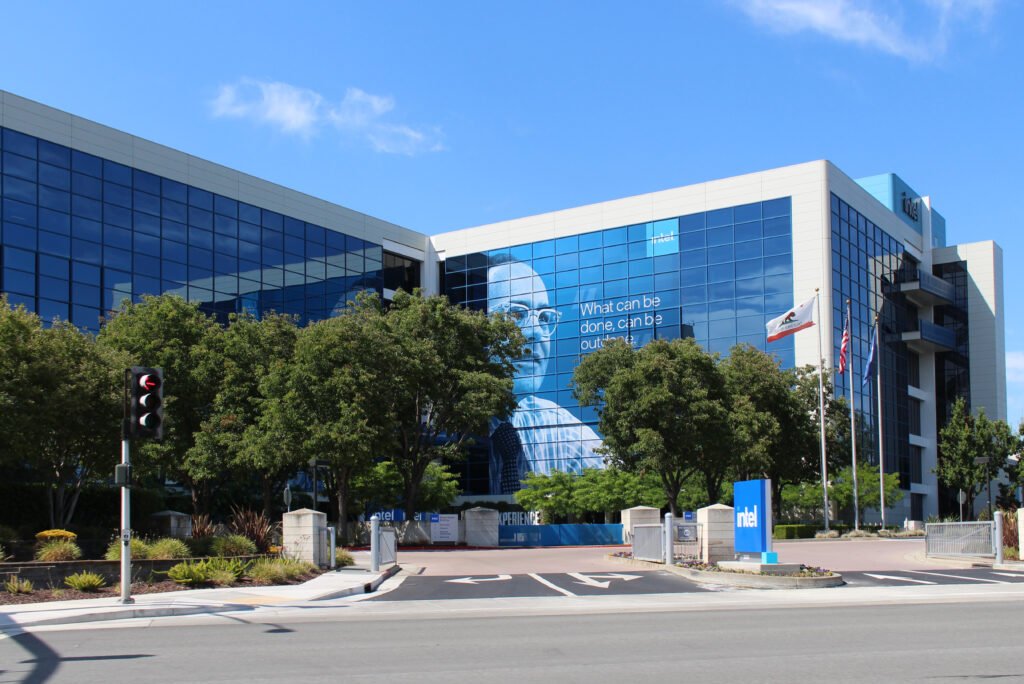
For decades, Intel was the unquestioned backbone of the computing industry. If you used a PC, a server, or anything that mattered in enterprise computing, Intel was inside. Today, that certainty is gone. The question being asked more openly across the tech industry is simple and uncomfortable: is Intel cooked?
The short answer is no. The longer answer is that Intel is no longer in control of its own narrative, and that is a dangerous place for a company that once set the pace for the entire industry.
How Intel Lost the Lead
Intel’s decline did not happen overnight. It was the result of a series of missed transitions.
The company stumbled badly on manufacturing. While competitors moved aggressively to advanced chip processes, Intel struggled with delays, yield issues, and internal execution problems. At the same time, rivals stopped waiting.
AMD capitalised on Intel’s stagnation with better performance per watt and aggressive pricing. Apple walked away entirely, proving that ARM based chips could outperform x86 in consumer laptops. Nvidia emerged as the dominant force in AI, turning GPUs into the most valuable computing asset of the decade.
Intel, once the platform everyone built around, became just another option.
The AI Problem
If there is one market that defines the future of computing, it is artificial intelligence. This is where Intel looks weakest.
Nvidia owns the AI accelerator market. AMD is gaining ground. Cloud providers are building their own chips. Intel’s AI story remains fragmented, late, and largely unconvincing.
While Intel continues to talk about AI PCs and data centre roadmaps, it is not setting the agenda. It is reacting to it. In tech, that distinction matters more than marketing budgets.
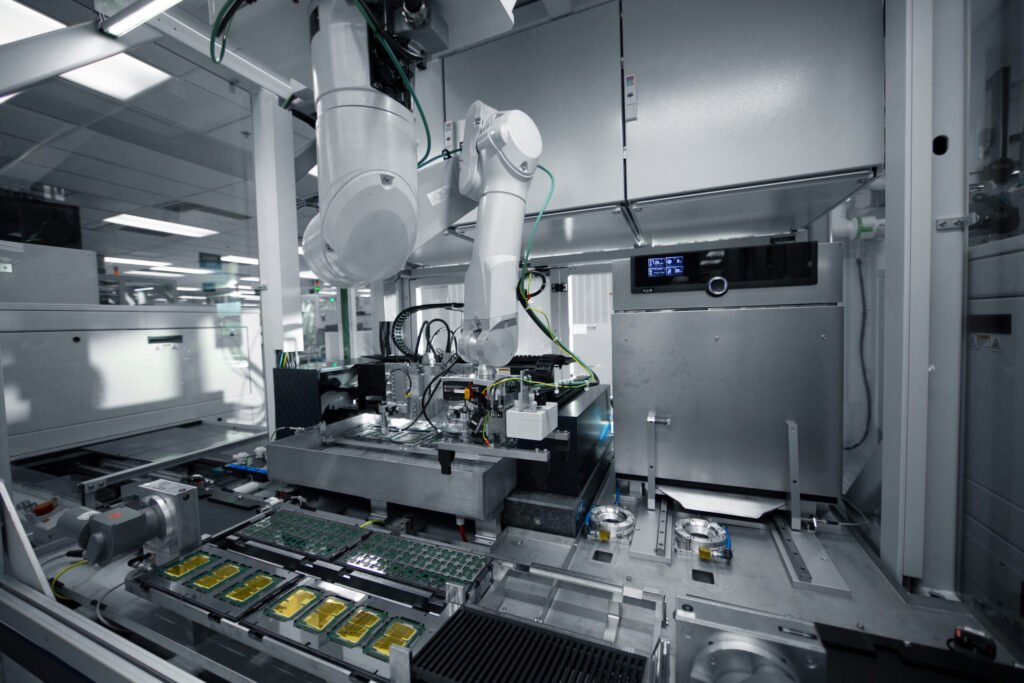
Manufacturing Is a Gamble, Not a Moat
Intel’s attempt to reinvent itself as a contract chip manufacturer is bold, but risky. Competing with established foundries requires flawless execution, massive capital investment, and long term customer trust.
So far, Intel has spent heavily, promised much, and delivered slowly. Meanwhile, competitors are already shipping at scale. Manufacturing was once Intel’s greatest advantage. Today, it is one of its biggest uncertainties.
Why Intel Is Not Dead Yet
Despite everything, Intel is not finished.
It still has enormous scale, deep engineering talent, and strategic importance to governments that do not want all advanced chip manufacturing concentrated in Asia. Intel’s role in Western semiconductor supply chains gives it political relevance that many competitors lack.
The company also dominates legacy enterprise infrastructure. That business is slower growing, but it is sticky, profitable, and not disappearing overnight.
The Real Problem Is Trust
Intel’s biggest issue is not technology alone. It is credibility.
For years, Intel promised turnarounds that did not materialise on schedule. Roadmaps slipped. Competitive gaps widened. Each delay eroded confidence among customers, developers, and investors.
In the tech industry, perception compounds reality. Once a company is seen as behind, it becomes harder to attract top talent, anchor customers, and ecosystem loyalty.
So Is Intel Cooked?
Intel is not cooked, but it is no longer inevitable.
It has gone from being the default to being the challenger. That is a profound shift for a company that once defined the industry’s rhythm. Intel can still recover, but only if it executes relentlessly and stops relying on its past dominance as a shield.
The real danger for Intel is not collapse. It is irrelevance.
And in technology, irrelevance is worse than failure.