
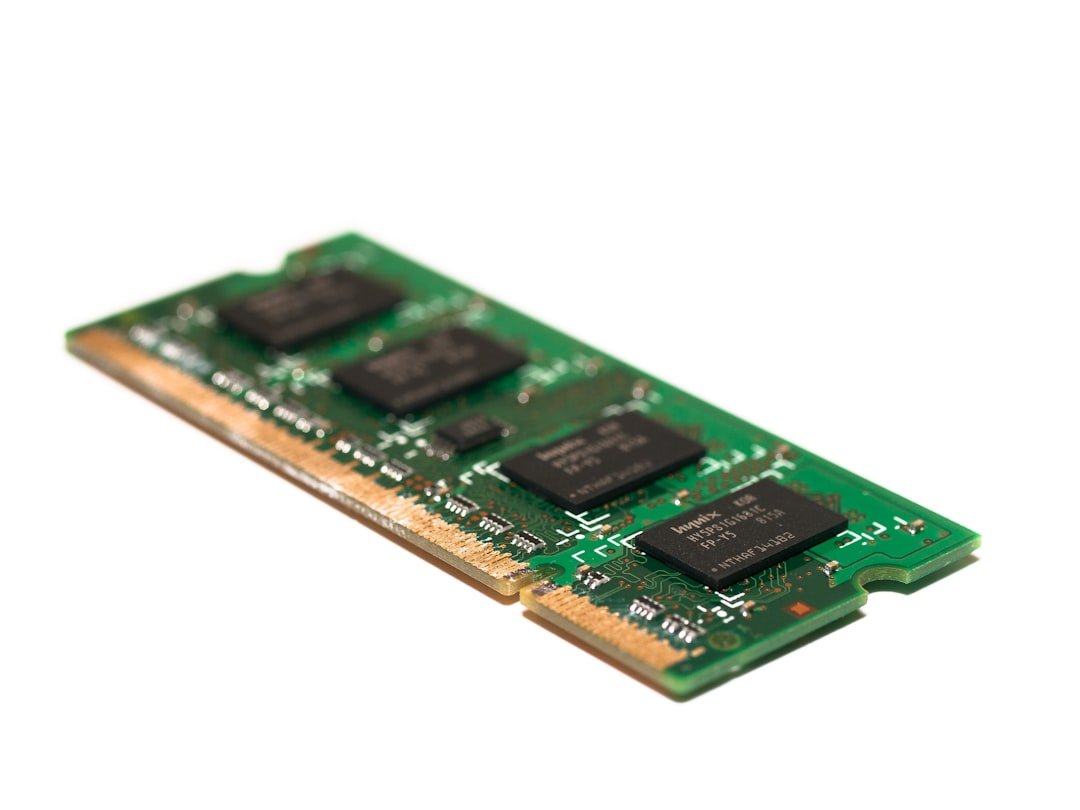
Unified memory architecture is making waves in the computing world, enabling mini PCs to run massive models that traditional GPUs struggle with. This breakthrough matters because it challenges the conventional wisdom that bigger, more powerful GPUs are necessary for handling large-scale AI models. Instead, it suggests a shift towards more efficient, compact computing solutions that could democratize access to advanced AI capabilities.
## What Unified Memory Really Does
Unified memory is a system where the CPU and GPU share the same memory pool. This contrasts with traditional architectures where each processing unit has its own dedicated memory. The advantage is clear: it allows for seamless data sharing between the CPU and GPU, eliminating the bottlenecks associated with data transfer.
This architecture is particularly beneficial for running large AI models, such as those with 70 billion parameters. The shared memory pool means that both processing units can access the same data without the need for duplication or time-consuming transfers. In practice, this can lead to significant performance improvements, especially for tasks that require real-time processing or quick adaptability.

## Context in the Competitive Landscape
The rise of unified memory comes at a time when the computing industry is grappling with the limitations of traditional GPU-centric approaches. Companies like NVIDIA have long dominated the market with powerful GPUs designed for heavy computational tasks. However, these solutions often come with high costs and significant power consumption, making them less accessible for smaller enterprises or individual developers.
Enter mini PCs leveraging unified memory. These devices offer a more cost-effective and energy-efficient alternative, providing enough computational power to run large AI models without the need for expensive GPU setups. While they may not replace high-end GPUs entirely, they present a compelling option for specific use cases, particularly in edge computing and IoT applications where power efficiency and space constraints are paramount.
## Real Implications for Founders, Engineers, and the Industry
For founders and engineers, the emergence of unified memory architectures opens new doors. Startups can now develop AI-driven products without the need for massive infrastructure investments. This could lower the barrier to entry in fields like machine learning and AI, fostering innovation and competition.
Engineers working on AI models can benefit from the increased efficiency and reduced complexity of unified memory systems. The ability to run large models on smaller devices means more flexibility in deployment and experimentation, potentially speeding up development cycles and time-to-market.
For the broader industry, this shift could lead to a reevaluation of current hardware standards. As more players enter the field offering unified memory solutions, we may see a diversification of AI hardware offerings, catering to a range of needs from hobbyists to large-scale enterprises.
## What’s Next?
As unified memory technology continues to evolve, its adoption is likely to increase across various sectors. For founders, this means an opportunity to leverage cutting-edge technology without the need for traditional heavy investments in hardware. Engineers can expect more versatile tools to work with, allowing for creative and efficient solutions to complex problems. Investors should watch for startups capitalizing on these trends, as they may be well-positioned for growth in a landscape where efficient computing becomes increasingly crucial.