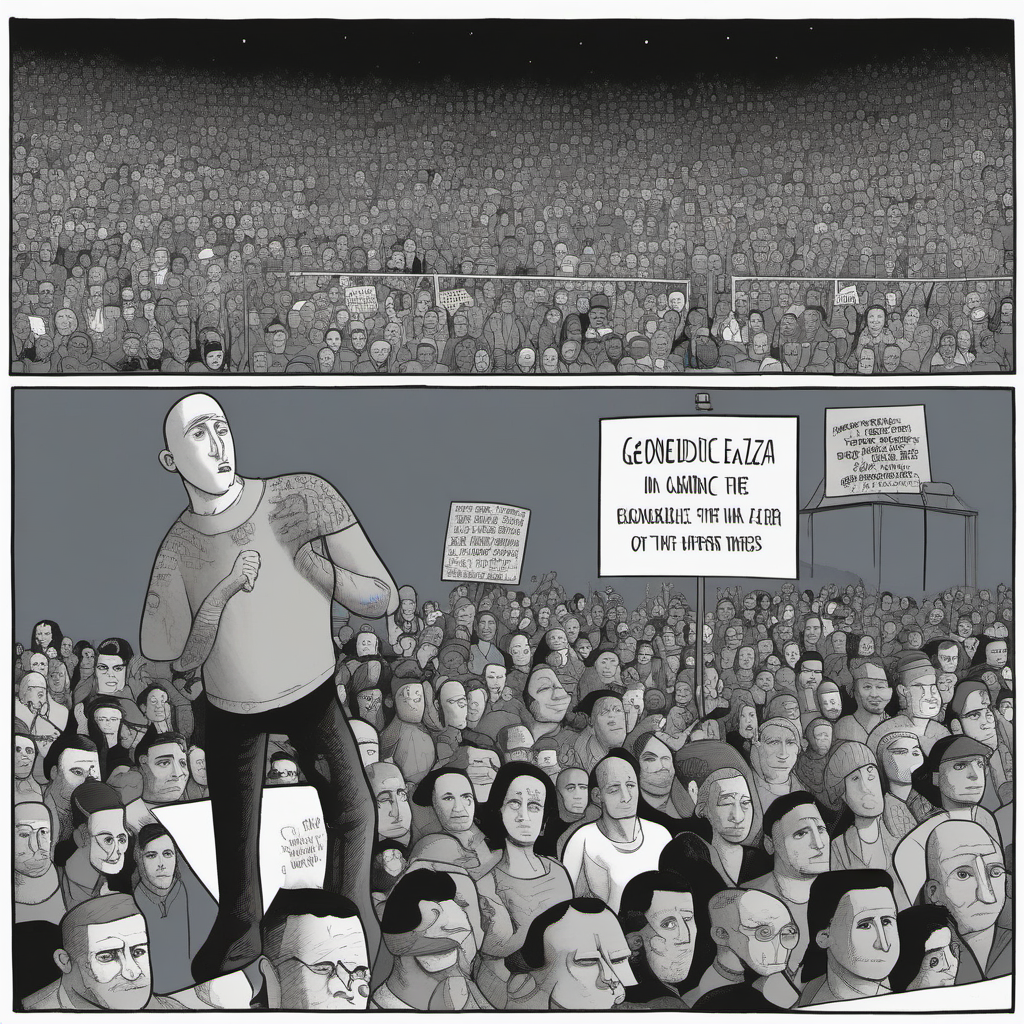
Harley Finkelstein’s recent appearance at Montréal’s Startupfest was unexpectedly interrupted by a protester, reigniting discussion over the intersection of business leadership and political discourse. As the Shopify president engaged in a conversation about entrepreneurship with former UFC fighter Georges St-Pierre, a protester took to the stage, accusing Finkelstein of supporting the “genocide in Gaza.” This incident highlights a recurring theme in tech leadership, where personal beliefs and corporate roles collide, raising questions about the responsibilities and vulnerabilities of public figures in the tech industry.
### What Happened on Stage
The disruptive moment occurred about halfway through the fireside chat, which had been a deep dive into topics like global ambition and the mental fortitude shared between elite athletes and entrepreneurs. The audience, comprised largely of tech founders, was not receptive to the interruption. Finkelstein addressed the protester directly, asking him to respect the event’s focus on entrepreneurship and the celebration of the guest athlete. The protester was eventually escorted from the venue by staff.
This marks the third such incident for Finkelstein, who has previously faced protests at other public engagements. His outspoken support for Israel has made him a target, a situation compounded by his Jewish identity, which he argues is often conflated with his political views. These protests serve as a stark reminder of the personal risks that public figures in tech might face when they engage with contentious global issues.
### The Context: Protests and Tech Leadership
This incident is not isolated to Finkelstein. Other tech leaders, including Larry Ellison of Oracle and executives from Microsoft and Google, have also faced criticism for their stances on Israel. These confrontations highlight the growing expectation for tech leaders to not only navigate their companies through technological advancements but also political and ethical landscapes.
For many in the tech industry, this raises the question of how personal beliefs should be balanced with professional responsibilities. The protests against Finkelstein and others reflect a broader societal debate about the role of corporate leaders in political discourse, particularly when their companies wield significant influence on the global stage.
### Implications for Founders and Engineers
For founders and engineers, the situation underscores the necessity of understanding the broader implications of their work and public personas. As tech companies continue to expand their influence, leaders may find themselves increasingly in the crossfire of public and political debate. This calls for a nuanced approach to public relations and personal branding, where the lines between personal beliefs and corporate identity are carefully managed.
The incident also suggests a potential shift in the expectations from stakeholders, including customers and employees, who increasingly demand transparency and accountability from the companies they support or work for. Founders and engineers must be prepared to address these expectations, both in terms of company policy and personal conduct.
### Looking Ahead
As tensions continue globally, particularly in politically sensitive areas, tech leaders and their companies may need to prepare for more public scrutiny and protest. For those at the helm, understanding the potential for such interruptions and the necessity of a measured, respectful response is crucial.
For founders and engineers, the key takeaway is the importance of aligning company values with personal beliefs and preparing to navigate the challenges that come with public leadership. Balancing innovation and influence with responsibility and respect will be essential as the industry moves forward.