
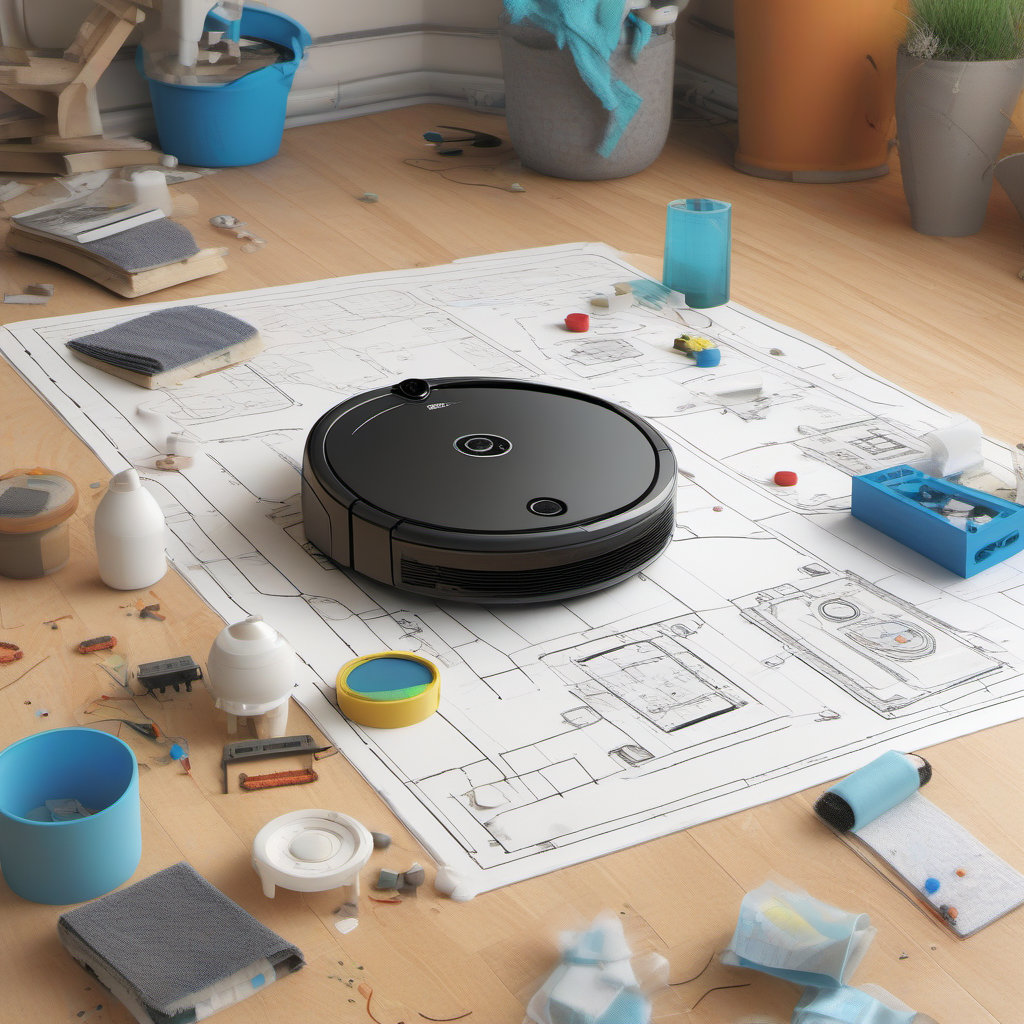
A new challenger has entered the household robotics arena. Oomwoo, a Canadian startup, is betting on the power of open-source to disrupt the robot vacuum market. With its recent announcement, Oomwoo aims to empower consumers and developers alike by providing a customizable, open-source robot vacuum platform. But will this approach sweep up market share or just stir up dust?
## What Oomwoo Actually Does
Oomwoo is developing a robot vacuum that is fully open-source, from its software to its hardware schematics. The company believes that by opening up its designs, it can foster a community-driven approach to product development. Users can modify and improve their vacuums, potentially leading to a product that evolves based on real-world usage and feedback. The startup’s website highlights its commitment to transparency and user control, aiming to differentiate itself from proprietary models that dominate the market.
The vacuum, which is still in prototype stages, promises features such as advanced mapping, customizable cleaning modes, and modular components that users can easily swap or upgrade. While specifics on pricing and availability remain under wraps, Oomwoo is positioning itself as a cost-effective alternative for tech-savvy consumers who value customization and control over their devices.

## Competitive Context
The robot vacuum market is already crowded with established players like iRobot’s Roomba and Dyson. These companies have proprietary technologies and significant market presence, making it challenging for newcomers to break in. However, Oomwoo’s open-source approach could carve out a niche among DIY enthusiasts and developers who are often neglected by mainstream brands.
The open-source model has seen success in other tech sectors, notably with Linux in operating systems and Arduino in hardware. Whether this model will translate to consumer robotics remains to be seen, but it does present a unique selling point. By allowing users to tinker with and tailor their vacuums, Oomwoo may attract a dedicated following willing to invest in a product they can control and improve.
## Real Implications for Founders, Engineers, and the Industry
For founders, Oomwoo’s approach underscores the potential of open-source as a business model in consumer electronics. While it requires a shift from traditional IP protection strategies, it can foster community engagement and rapid iteration. This model could inspire other startups to consider open-source in markets where user innovation can add real value.
Engineers and developers may find Oomwoo’s platform an intriguing playground for experimentation. The ability to modify and test new features on a real-world device offers valuable hands-on experience. It also opens up opportunities for collaboration and innovation beyond the confines of a single company’s R&D department.
Industry-wise, if Oomwoo gains traction, established brands might face pressure to offer more customizable products or open up parts of their systems. While this could lead to a more vibrant and competitive market, it also raises questions about support, warranty, and security in open-source hardware.
As Oomwoo moves forward, the next steps involve transitioning from prototype to production, building a community of users and developers, and proving that open-source can indeed thrive in the consumer robotics space. For startups considering a similar path, Oomwoo’s journey will be one to watch closely, offering both a blueprint and a cautionary tale on the challenges and opportunities of open-source innovation in hardware.