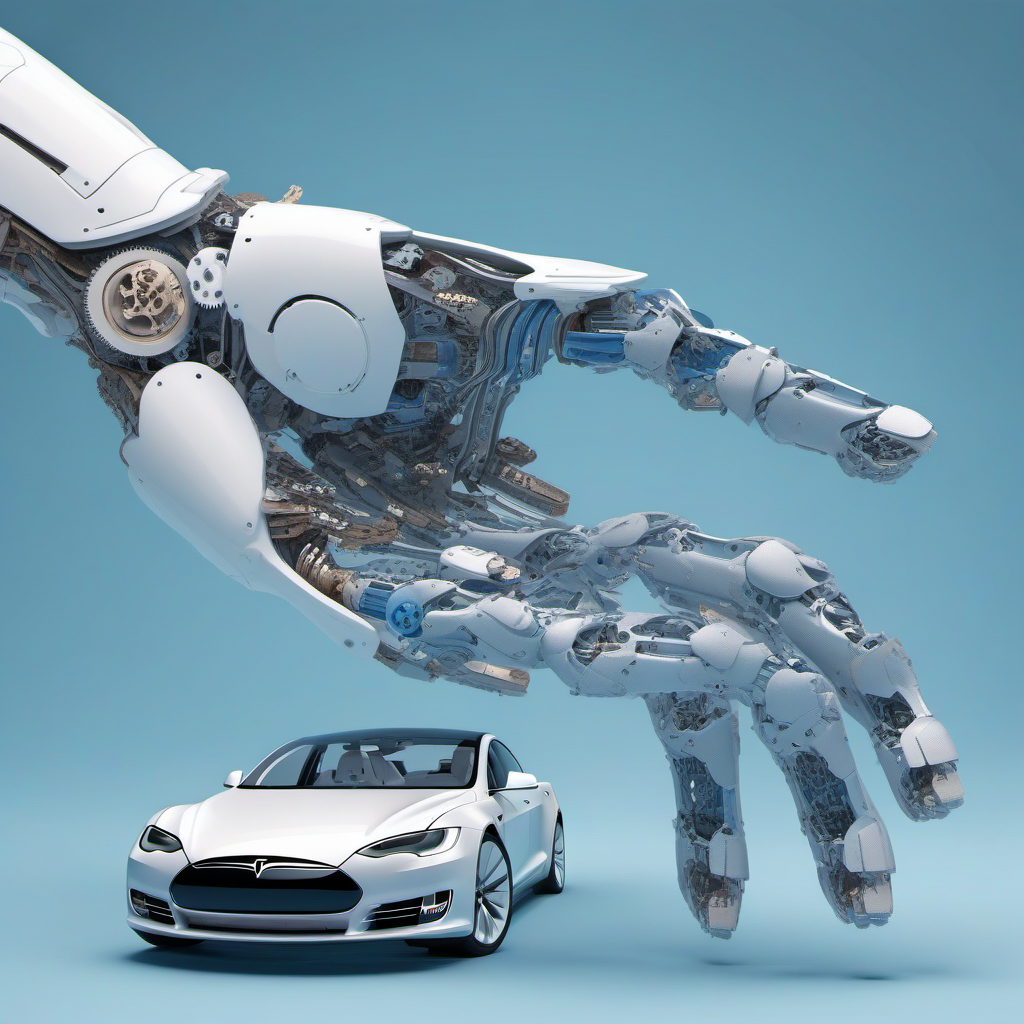
Proception, a Canadian robotics startup, has settled a trade secret lawsuit with Tesla and simultaneously announced an $11 million funding round. This news highlights the increasing competition in the robotics sector, particularly in the development of robotic hands—a notoriously challenging area. With new funding in hand, Proception aims to advance its unique approach to training robotic systems, potentially reshaping how robots interact with their environments.
## Proception’s Approach to Robotic Hands
Based in Toronto, Proception is focused on developing robotic hands capable of performing delicate and complex tasks. Unlike many robotics companies that rely heavily on pre-existing datasets, Proception is pioneering a method that emphasizes the creation of proprietary training data tailored specifically for robotic manipulation. This approach could offer significant advantages in precision and adaptability, two critical factors for success in the field.
Robotic hands have long been a bottleneck in robotics, with most systems struggling to replicate the dexterity and sensitivity of human hands. Proception’s technology aims to bridge this gap, potentially unlocking new applications in sectors ranging from manufacturing to healthcare. While the company remains tight-lipped about the details of its technology, the settlement with Tesla over trade secrets suggests that its methods are both novel and valuable.
## Navigating a Competitive Landscape
The robotics industry is fiercely competitive, with major players like Boston Dynamics and SoftBank investing heavily in robotic limb technology. Proception’s settlement with Tesla underscores the high stakes involved, as well as the potential value of its unique approach. With an $11 million injection of capital, Proception is better positioned to compete against these giants and accelerate its research and development efforts.
While the field is crowded, Proception’s focus on custom training data sets it apart. This could offer a competitive edge, particularly if it leads to more versatile and responsive robotic systems. However, with larger companies having deeper pockets and more established infrastructures, Proception faces an uphill battle in terms of scaling and market penetration.
## Implications for Founders and Engineers
For founders and engineers in the robotics space, Proception’s funding success and legal settlement serve as a reminder of the sector’s complexities and opportunities. The case with Tesla highlights the importance of safeguarding intellectual property and the potential risks involved in collaborative or competitive industry relationships. Securing robust legal protections should be a priority for any startup in the technology space.
On the engineering front, Proception’s focus on unique training datasets may inspire others to explore non-traditional methods of system training and development. As companies strive to make their robotic systems more adaptable and human-like, innovative approaches to training data could become a critical differentiator.
## What Happens Next
With new funding secured, Proception is poised to expand its research and development efforts. The company plans to scale its workforce and enhance its proprietary technology, aiming for broader commercial applications. For founders and engineers, the message is clear: the robotics industry is ripe with opportunities, but success hinges on innovation, strategic planning, and robust legal safeguards.