
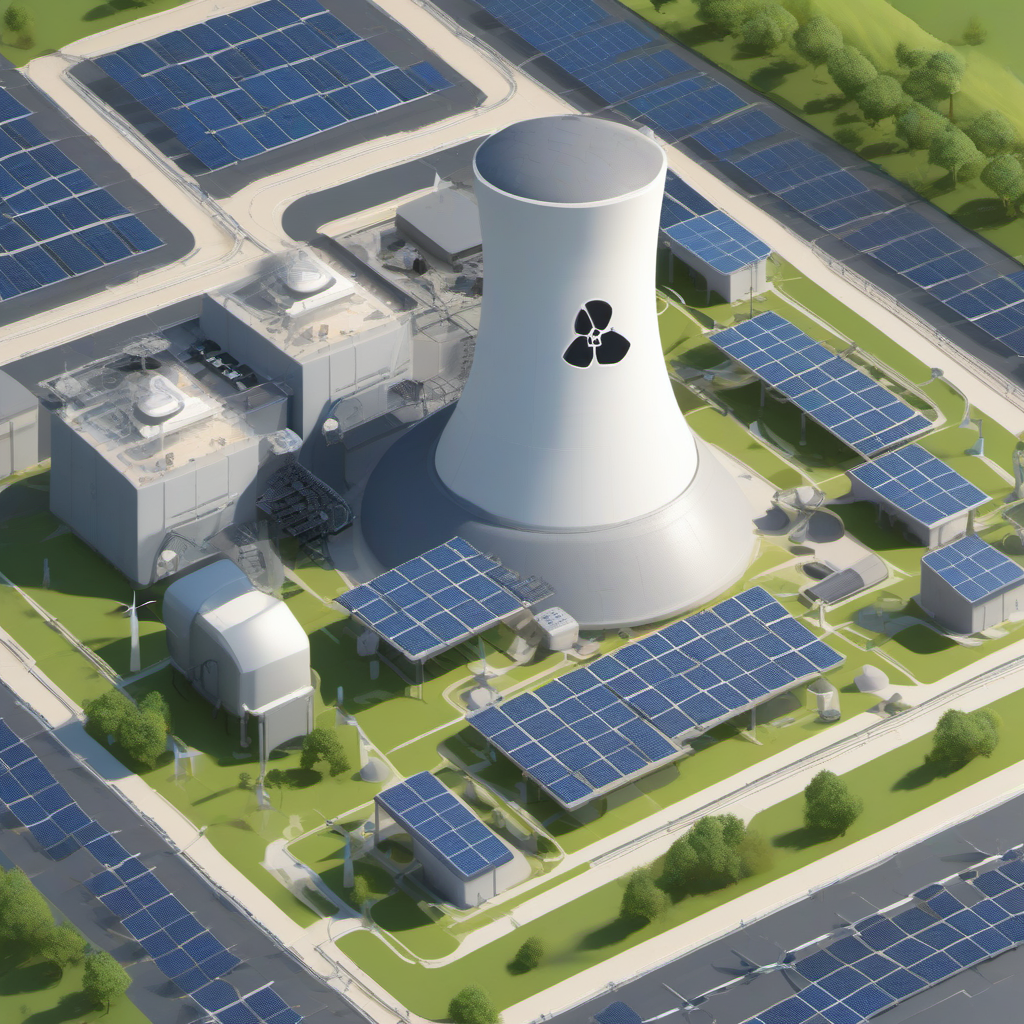
TerraPower, the nuclear energy company founded by Bill Gates, has announced a partnership with Meta to build eight Natrium 345 MW advanced nuclear reactors. This collaboration aims to supply Meta’s data centers with a stable and cleaner energy source. The deal is a significant move in the tech industry’s quest to reduce its carbon footprint, but it raises questions about the feasibility and necessity of nuclear power in the tech sector’s energy mix.
## What TerraPower and Meta Aim to Achieve
TerraPower’s Natrium reactors are designed to offer a new approach to nuclear energy, using a combination of advanced sodium reactor technology and molten salt energy storage. Theoretically, this setup allows the reactors to adapt to fluctuating energy demands, providing a more reliable power supply. TerraPower claims that each 345 MW reactor can generate enough electricity to power around 250,000 homes continuously.
Meta, formerly known as Facebook, has committed to operating on 100% renewable energy and achieving net-zero carbon emissions across its value chain by 2030. Partnering with TerraPower aligns with these goals by potentially providing a stable and carbon-free energy source for its power-hungry data centers. However, the adoption of nuclear power by a tech giant is both a bold and controversial step, as it involves navigating public skepticism and regulatory hurdles.

## Competitive Context in Clean Energy
While TerraPower’s technology is cutting-edge, its application in the tech industry is not without competition. Renewable energy sources like wind and solar have dominated the landscape, with tech companies like Google and Apple investing heavily in these areas. Unlike nuclear, these sources are widely perceived as safer and more sustainable in the long term, despite their intermittency issues.
However, nuclear energy offers an advantage in terms of reliability and energy density, which is crucial for data centers needing constant power. Companies like Microsoft and Amazon are also exploring nuclear options, but they are primarily focused on smaller, modular reactor designs. TerraPower’s larger reactor scale and its partnership with Meta could set a precedent, but it remains to be seen if this approach will become mainstream.
## Implications for Founders, Engineers, and the Industry
For founders and engineers, the collaboration between TerraPower and Meta highlights the growing intersection of tech and clean energy sectors. As companies strive to meet sustainability goals, nuclear energy could become an attractive option, despite its risks and regulatory challenges. Engineers specializing in nuclear technology may find increased demand for their expertise as more tech companies consider nuclear solutions.
For the broader industry, this partnership could signal a shift in how tech giants approach their carbon reduction strategies. If successful, it may encourage other companies to explore nuclear options, potentially leading to increased investments and advancements in nuclear technology. However, the high initial costs and public concerns over nuclear safety could deter some companies from following suit.
The next steps will involve navigating the regulatory landscape and public opinion, as well as proving the viability of these reactors in practice. For founders and engineers, the key takeaway is the importance of staying informed about emerging energy technologies and being prepared to adapt to new industry standards. As the tech sector continues to grapple with its environmental impact, those who can innovate within this space will be well-positioned for the future.