
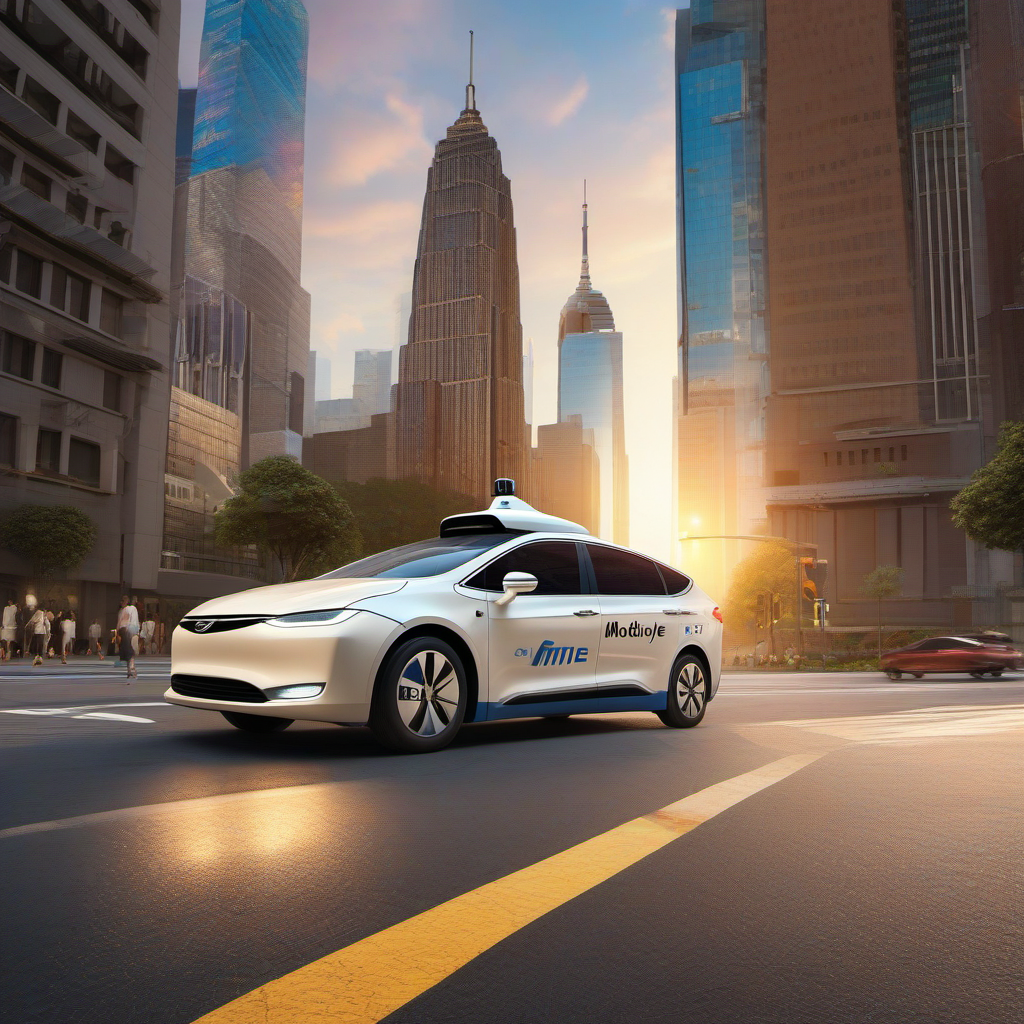
Mobileye, the Intel-owned company known for its advanced driver-assistance systems, is once again trying to make its mark in the robotaxi sector. Announcing plans to launch a self-driving taxi service in an undisclosed U.S. city by 2027, Mobileye aims to carve out a space in a market that is already crowded with ambitious players. This move matters because it signifies a renewed effort by a major tech player to crack the elusive code of fully autonomous urban transportation.
### What Mobileye Actually Does
Mobileye specializes in producing sophisticated computer vision and machine learning technologies used in driver-assistance systems, which have been integrated into millions of vehicles worldwide. The company has long been a leader in developing the technologies that enable cars to “see” and interpret their surroundings. While it has previously dabbled in the robotaxi space, launching pilot programs in cities like Munich and Tel Aviv, the 2027 U.S. launch marks a more committed effort to establish a commercial presence in this sector.
The company plans to leverage its Mobileye Drive technology, which includes a suite of cameras, sensors, and software algorithms designed to safely navigate urban environments. The choice of a U.S. city suggests a strategic move to capture a slice of a market that promises lucrative returns yet remains fraught with technological and regulatory hurdles.

### Competitive Context
The robotaxi market is a high-stakes arena populated by well-funded competitors like Waymo, Cruise, and Tesla, each racing to perfect their autonomous technology. Waymo, a subsidiary of Alphabet, has been testing its robotaxi service in Phoenix for several years and is considered a front-runner. Cruise, backed by General Motors, has also made strides with its San Francisco-based operations. Tesla, for its part, continually pushes its Full Self-Driving (FSD) capabilities, although it has faced criticism and regulatory scrutiny over its claims.
Mobileye’s entry into the U.S. market will require not only cutting-edge technology but also strategic partnerships and regulatory approvals. The company will need to prove that it can offer a service that is both safe and economically viable, a challenge that has stymied many of its predecessors. Failure to do so could consign Mobileye to the list of companies that have struggled to deliver on the promise of autonomous urban travel.
### Real Implications for Founders, Engineers, and Industry
For founders and engineers in the tech space, Mobileye’s announcement underscores the importance of persistent innovation and strategic pivots. Despite setbacks and intense competition, Mobileye is doubling down on its belief in the potential of autonomous vehicles. This is a reminder that staying the course in a volatile industry can sometimes lead to breakthroughs, even when the path is fraught with obstacles.
For the broader automotive and tech industries, Mobileye’s commitment to launching a U.S. robotaxi service offers a case study in leveraging existing technology while scaling up operational capabilities. It also highlights the need for a robust regulatory framework that can keep pace with technological advancements. As companies like Mobileye push boundaries, they will inevitably shape the policies and standards that govern autonomous vehicles.
### What Happens Next
As Mobileye gears up for its 2027 launch, the company will need to navigate a complex landscape of technological development, regulatory compliance, and market competition. It will be crucial for Mobileye to demonstrate the viability of its technology through rigorous testing and transparent safety measures.
For founders and engineers, this means keeping an eye on Mobileye’s progress can offer valuable insights into overcoming the technical and logistical challenges of launching a robotaxi service. Understanding how Mobileye tackles these issues could provide a roadmap for those looking to enter or expand within the autonomous vehicle industry.