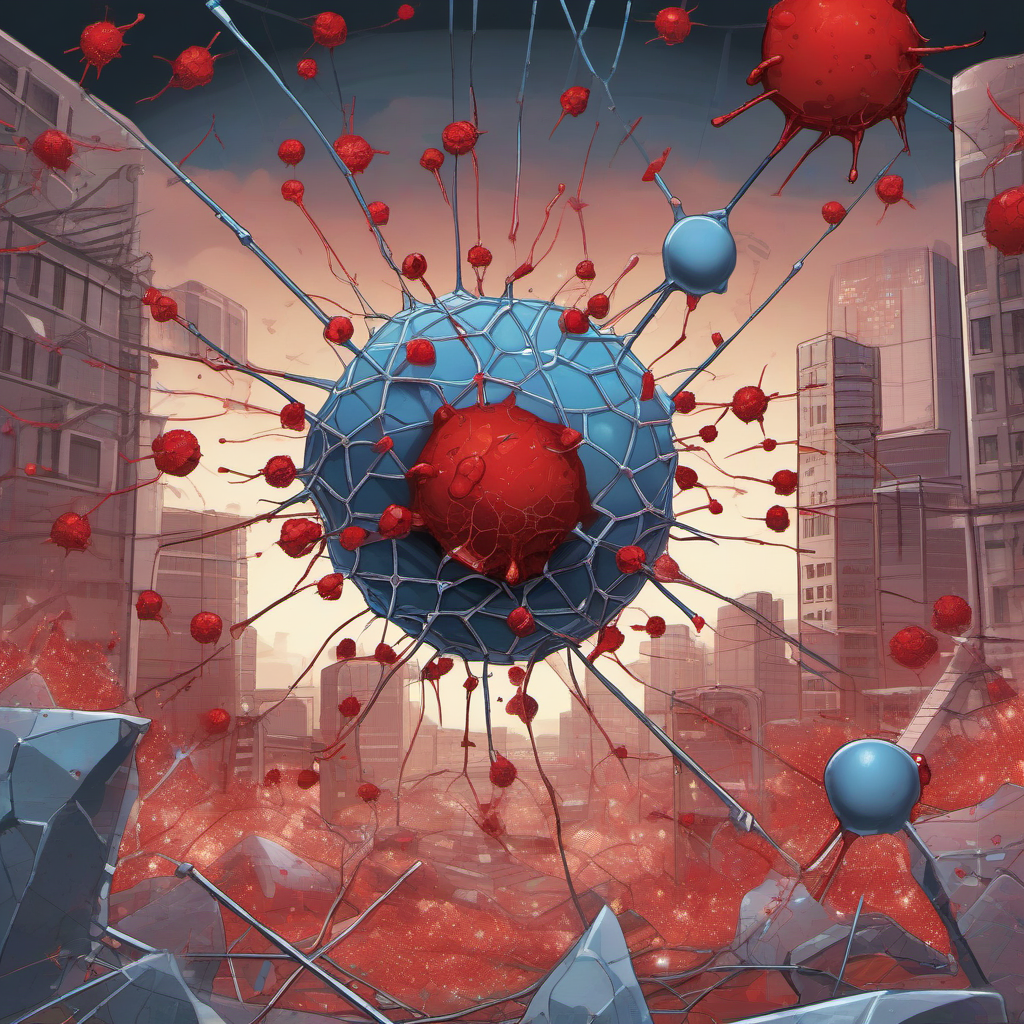
A new application of CRISPR technology is making waves in the cancer research community, targeting a class of diseases previously deemed “undruggable.” Researchers have developed a technique that selectively destroys cancer cells using CRISPR, a gene-editing tool known for its precision. This advancement raises questions about the future of cancer treatment, particularly in types that have resisted traditional drug therapies.
### What the Technology Does
CRISPR, which stands for Clustered Regularly Interspaced Short Palindromic Repeats, is a tool used to edit genes with high precision. Its latest application in cancer therapy involves a method to target and destroy cancer cells selectively. Using a guide RNA to direct the CRISPR machinery, researchers can identify specific cancerous genes and effectively “shred” them, disrupting the cancer’s ability to survive and replicate.
The focus is on cancers that have been labeled “undruggable” due to their resistance to existing treatments. These often involve targets that are difficult for traditional drugs to bind to, making them elusive in the world of oncology. The CRISPR-based approach offers a potential pathway to treat such cancers by directly editing the genes responsible for their growth and survival.
### Competitive Context
The CRISPR technique is not without competition. The landscape of cancer treatment is crowded with various approaches, including immunotherapy, chemotherapy, and targeted drug therapies. Each has its strengths and weaknesses, with immunotherapy and CRISPR frequently hailed as the future of cancer treatment.
However, CRISPR’s ability to target specific genes gives it a unique position. While traditional drug development can take years and millions of dollars to identify effective compounds, CRISPR offers a more direct method of intervention. The technology is not cheap, and there are ethical and safety concerns regarding gene editing, but its potential for precision and versatility cannot be ignored.
### Real Implications for Founders, Engineers, and the Industry
For founders and engineers in the biotech space, this development represents both an opportunity and a challenge. The ability to target “undruggable” cancers could open new markets and attract significant investment. However, the technical complexity and regulatory hurdles of bringing CRISPR-based therapies to market are substantial.
The industry must also grapple with the ethical implications of gene editing. Public perception and regulatory frameworks will play critical roles in determining how quickly and widely these technologies are adopted. Engineers working with CRISPR must prioritize safety and efficacy, ensuring that treatments do not inadvertently harm healthy cells or lead to unintended genetic changes.
For investors, the promise of CRISPR in cancer treatment is enticing, but the field’s inherent risks require careful consideration. The technology is still in its early stages, and while the potential returns are high, so are the stakes. Due diligence and a clear understanding of the science and regulatory landscape will be crucial for anyone looking to invest in this space.
### What Happens Next
As CRISPR technology continues to evolve, its application in cancer treatment will require rigorous testing and validation. Clinical trials will be essential to determine its safety and effectiveness in humans. Researchers will need to navigate complex regulatory environments and address ethical considerations to bring these therapies to market.
For founders and engineers, staying informed about the latest developments in CRISPR and gene editing technologies is crucial. Those who can balance innovation with caution may find themselves at the forefront of a new wave of cancer treatments, potentially reshaping the landscape of oncology.