
Quantum Space Bets on SPAC for Military Spacecraft Venture
Quantum Space is eyeing a $1.2 billion deal through a Special Purpose Acquisition Company (SPAC) to fund its military spacecraft ambitions. This strategic move comes amid a challenging SPAC market, signaling the company’s belief in a niche that might still hold potential. As SpaceX hints at a possible IPO, Quantum Space is banking on the renewed interest in space ventures to attract investors.
### What Quantum Space Actually Does
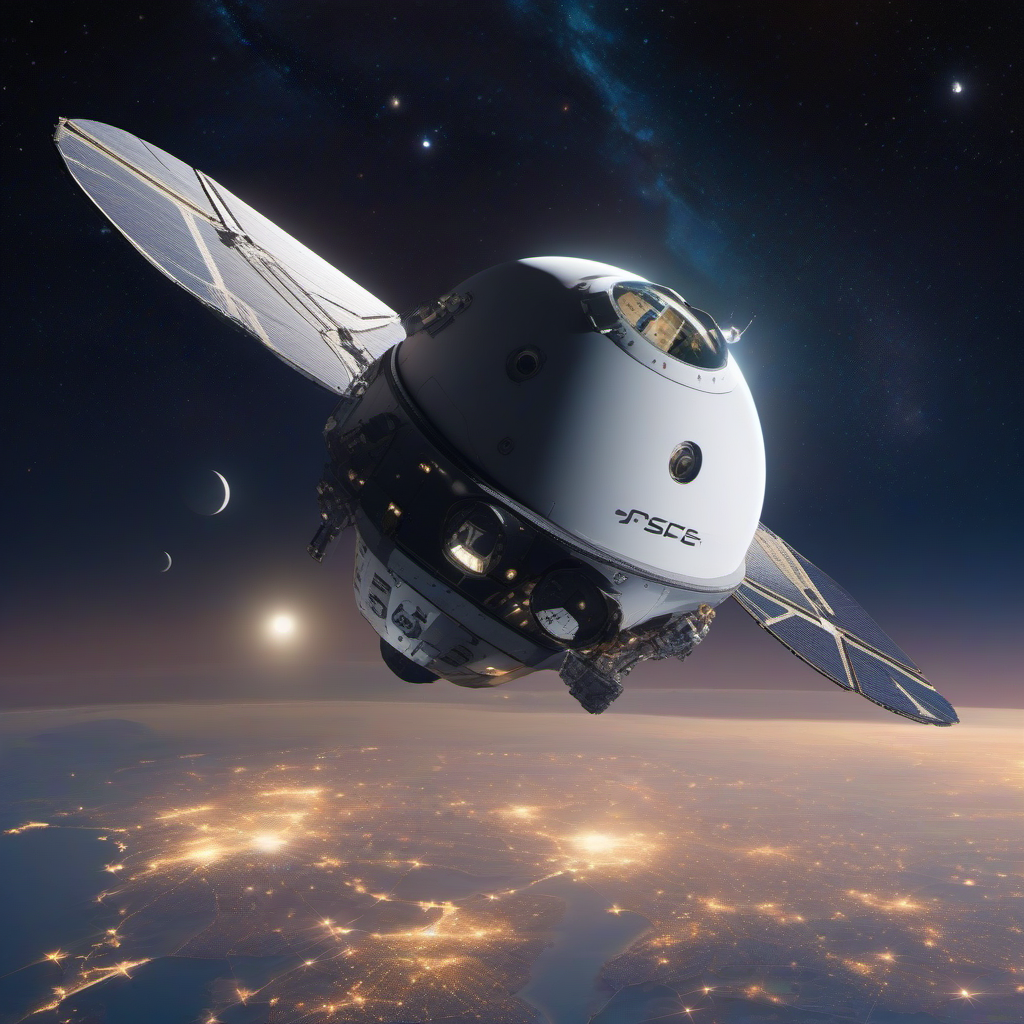
Quantum Space focuses on designing and manufacturing spacecraft tailored for military use. The company aims to provide cutting-edge technology to enhance defense capabilities in space, a sector that has garnered increasing attention from governments worldwide. With a team of aerospace engineers and defense experts, Quantum Space is developing satellites and other spacecraft with advanced surveillance, communication, and defense systems.

Their portfolio includes projects that promise to improve the resilience and operational efficiency of military operations in the orbital arena. Given the rising geopolitical tensions and the militarization of space, Quantum Space’s offerings are positioned to meet a growing demand for secure and reliable military-grade space technology. Their products are not for the average consumer but rather for defense agencies needing sophisticated solutions to modern challenges.
### Competitive Context
The SPAC market has seen better days, with many deals faltering due to regulatory scrutiny and investor skepticism. However, Quantum Space is undeterred, seeking to ride the coattails of SpaceX’s potential IPO buzz to revitalize interest in space-focused investments. While SpaceX has dominated the commercial and governmental space launch sectors, Quantum Space aims to carve out its niche by focusing exclusively on military applications.
Competition in the military space sector is fierce, with established aerospace giants like Lockheed Martin and Northrop Grumman leading the charge. These companies have longstanding relationships with defense departments and substantial resources at their disposal. However, Quantum Space believes that its agile approach and specialized focus can offer a competitive edge, particularly in rapidly deploying new technologies.
### Real Implications for Founders, Engineers, and the Industry
For founders, Quantum Space’s SPAC endeavor serves as a reminder that niche markets, particularly those involving government contracts, can still attract significant investment despite broader market trends. The emphasis on military applications underscores the importance of understanding regulatory environments and the specific needs of governmental clients.
For engineers, the focus on military spacecraft presents opportunities to work on state-of-the-art technologies that may not be available in commercial sectors. This could mean engaging in projects with high security clearances and working on innovations with direct implications for national security.
The industry at large should note that while the SPAC route is fraught with challenges, it remains a viable option for companies with differentiated value propositions. Quantum Space’s move might inspire other startups to consider SPACs, especially if they’re targeting sectors with strong governmental interest.
### What Happens Next
Quantum Space’s success in securing the $1.2 billion SPAC deal will depend on investor confidence and the projected growth of the military space market. If the deal goes through, it could set a precedent for other aerospace startups considering similar funding strategies.
For founders and investors, the key takeaway is clear: while SPACs may have lost their sheen, they are not entirely obsolete—especially if your venture aligns with a sector that has undeniable demand and governmental backing.