
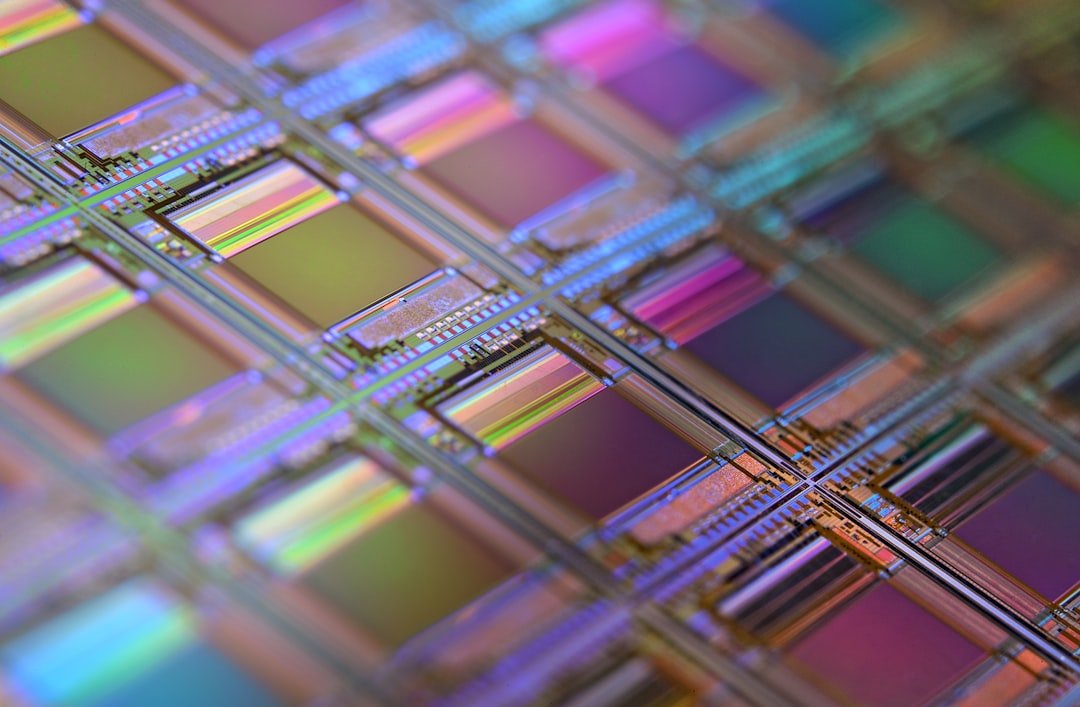
The relentless pursuit of smaller, faster, and more efficient chips has long been the bedrock of technological advancement. However, as we approach the physical limits of silicon, the industry is scrambling for alternatives to keep pace with Moore’s Law. A novel approach has emerged: sequentially stacking silicon layers, promising to extend the lifespan of this foundational principle.
## Unpacking Sequential Silicon Stacking
Sequential silicon stacking is not about shrinking transistors further but about rethinking their arrangement. By stacking layers of silicon wafers vertically, manufacturers can increase the density of transistors without the need for smaller node sizes. This method could potentially allow chipmakers to pack more computing power into the same footprint, sidestepping some of the challenges posed by further miniaturization.
The technique involves complex manufacturing processes. Each layer of silicon must be precisely aligned and bonded to ensure functionality and performance. Although this method is still in its developmental stages, it could offer a practical solution to the limitations encountered with traditional two-dimensional chip designs.

## Competitive Context: A Crowded Field of Alternatives
The semiconductor industry is rife with potential successors to traditional silicon-based designs. Quantum computing, carbon nanotubes, and even optical computing are all vying for attention. However, these technologies face significant hurdles in terms of scalability and cost-effectiveness.
Sequential silicon stacking offers a more immediate, albeit incremental, improvement. Companies like Intel and TSMC have already hinted at exploring 3D stacking technologies, though they have not made it central to their public roadmaps. This approach could provide a critical stopgap solution, allowing the industry to maintain its momentum while more radical technologies mature.
## Implications for Founders, Engineers, and the Industry
For engineers and chip designers, sequential stacking presents both a challenge and an opportunity. The complexity of adding more layers without compromising yield or performance will require new design paradigms and tooling. Engineers will need to develop expertise in vertical integration, a skill set that could become highly sought after as this technology gains traction.
For startups and founders, the potential shift in chip design opens new avenues for innovation. Companies that can develop tools or processes to simplify the stacking process will find themselves in a lucrative position. The demand for expertise in this area will likely grow, presenting opportunities for new entrants to carve out a niche in a traditionally capital-intensive industry.
Investors should keep an eye on companies that are making strides in 3D integration. While the hype around sequential silicon stacking may not match that of quantum computing, its practical implications and closer-to-market timeline make it a worthwhile consideration for those looking to invest in the next phase of chip design evolution.
## What’s Next?
As sequential silicon stacking moves from theory to practice, its impact will become clearer. Companies at the forefront of this technology will need to demonstrate not just feasibility but also economic viability. For engineers and product managers, the focus will be on developing the skills necessary to adapt to this new paradigm. For founders, the opportunity lies in addressing the challenges that come with this shift, offering solutions that can make it as seamless and cost-effective as possible.