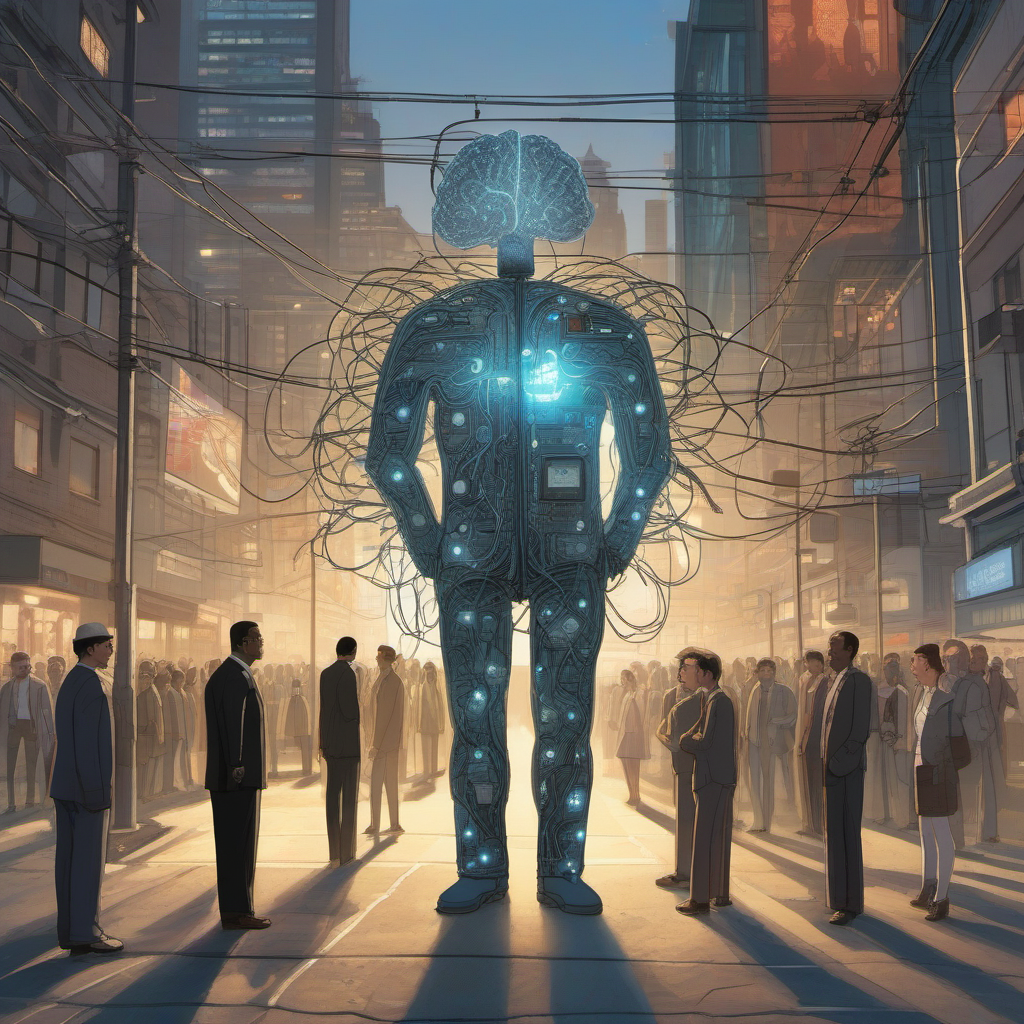
What does it mean to be a person in the age of artificial intelligence? At the Upper Bound AI conference in Alberta, a panel of experts, including AI pioneer Richard Sutton and University of Alberta professor Geoffrey Rockwell, gathered to explore this provocative question. The conversation delved into the moral and legal implications of potential AI personhood, sparking debate on humanity’s responsibilities towards sentient machines.
### What the Debate Was About
The panel at Upper Bound addressed whether AI could ever achieve personhood and what that might entail. Richard Sutton, known for his foundational work in reinforcement learning, stated that although machines are not yet people, the debate itself is crucial as society begins to grapple with these questions. Geoffrey Rockwell and AI ethicist Katrina Ingram discussed the potential need for regulatory frameworks to address AI’s legal status and citizenship. The experts also pondered what kind of coexistence humans and AI might have in the future. This conversation is taking place amid rapid advancements in AI technology and growing conversations about artificial general intelligence.
### The Competitive Context
This debate is not happening in a vacuum. As AI technology accelerates, global discussions are intensifying about the ethical and practical implications of AI’s capabilities. Some argue that certain AI models are inching towards sentience, although this remains hotly contested. In Canada, this discourse is particularly poignant following the Tumbler Ridge, BC tragedy, where OpenAI’s ChatGPT was controversially implicated in influencing a violent act. These incidents underscore the urgent need to clarify AI’s role and responsibilities, as well as those of the companies that create it.
### Implications for Founders and Engineers
For founders and engineers in the AI space, the implications of AI personhood are far-reaching. If AI were to be granted some form of personhood, it could radically alter business models, especially concerning ownership and accountability. Katrina Ingram suggested that traditional notions of ownership might become obsolete to prevent scenarios akin to “digital slavery.” This calls for a reevaluation of how AI is developed, deployed, and controlled, potentially leading to new regulatory standards and ethical guidelines that industry players must navigate.
### What Happens Next
The discussions at Upper Bound highlight the need for ongoing dialogue and research into the ethical dimensions of AI. As the technology continues to evolve, stakeholders must consider not only the economic opportunities but also the societal impacts. For engineers and founders, this means staying informed and engaged with both the technical and ethical aspects of AI development. As debates about AI personhood and responsibility continue, those in the field must prepare for a future where these issues are likely to influence both innovation and regulation.