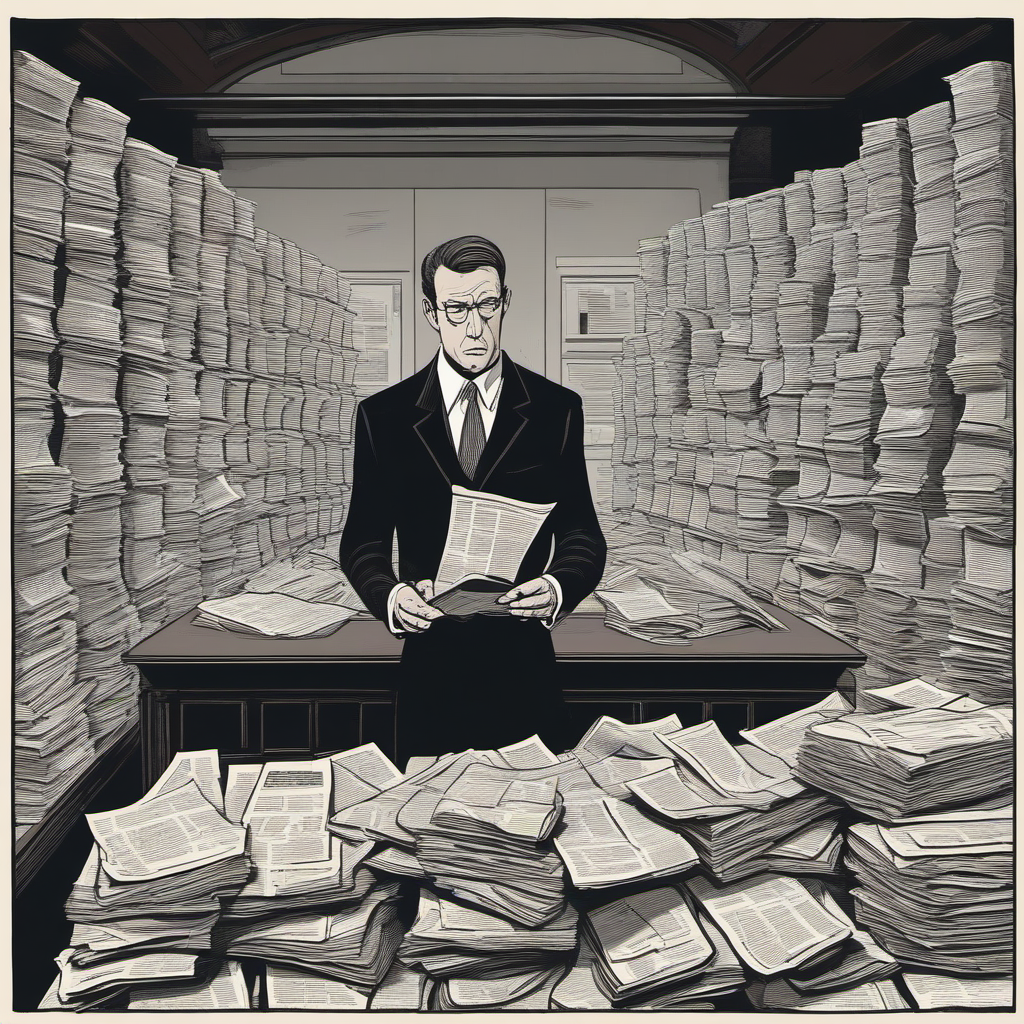
OpenAI Faces Legal Challenge from Canadian News Outlets
A coalition of Canadian news organizations, including heavyweights like the Toronto Star, the Canadian Broadcasting Corporation (CBC), and the Globe and Mail, has filed a lawsuit against OpenAI. They allege that the company has violated their copyrights and profited unfairly from their content. As AI systems like ChatGPT become more prevalent, this lawsuit underscores a growing tension between traditional media and the tech giants that rely on their content for training data.
### What OpenAI and ChatGPT Actually Do
OpenAI is the creator of ChatGPT, an AI language model that has taken the world by storm with its ability to generate human-like text. By consuming vast amounts of text from the internet, including news articles, ChatGPT learns to predict and generate language in a way that mimics human conversation. This capability has been leveraged across industries for tasks ranging from customer service automation to content creation.
However, the method by which these models learn has sparked controversy. OpenAI, like other AI developers, scrapes data from publicly available sources to train its models. The lawsuit hinges on the claim that this data includes copyrighted material from Canadian news outlets, used without permission or compensation.
### Competitive Context: The AI Race and Content Ownership
OpenAI is not alone in facing scrutiny over data usage. Competitors like Google and Meta have also faced criticism and legal challenges as they develop their own AI models. The difference here is that OpenAI has positioned itself as a leader in generative AI, with ChatGPT being one of the most popular models on the market.
For media companies, the stakes are high. As traditional revenue streams like print advertising decline, digital content becomes a critical asset. The lawsuit reflects a broader concern within the industry about who controls and benefits from digital content. Media companies argue that if AI models are trained on their work, they should be compensated accordingly. This case could set a precedent for how AI companies negotiate content usage rights with publishers.
### Real Implications for Founders, Engineers, and the Industry
For tech founders and engineers, this lawsuit is a cautionary tale about the complexities of using third-party data in AI training. The potential legal and ethical ramifications of data sourcing need to be considered in the development phase, not as an afterthought. This could lead to increased operational costs, as companies may need to negotiate licenses for data use or develop alternative data acquisition strategies.
For the broader AI industry, this lawsuit highlights a critical tension: balancing technological advancement with respect for intellectual property rights. If the Canadian news outlets succeed, it could lead to more stringent regulations around data usage, impacting how AI models are trained globally.
### What Happens Next?
The outcome of this lawsuit will likely influence future interactions between media companies and AI developers. If courts side with the news outlets, we might see a push for AI companies to develop new data usage agreements, potentially reshaping the landscape of AI training data.
For founders and engineers, the key takeaway is clear: understanding the origins and legality of your training data is crucial. As the legal frameworks around AI continue to develop, staying informed and proactive will be essential in navigating this complex landscape.