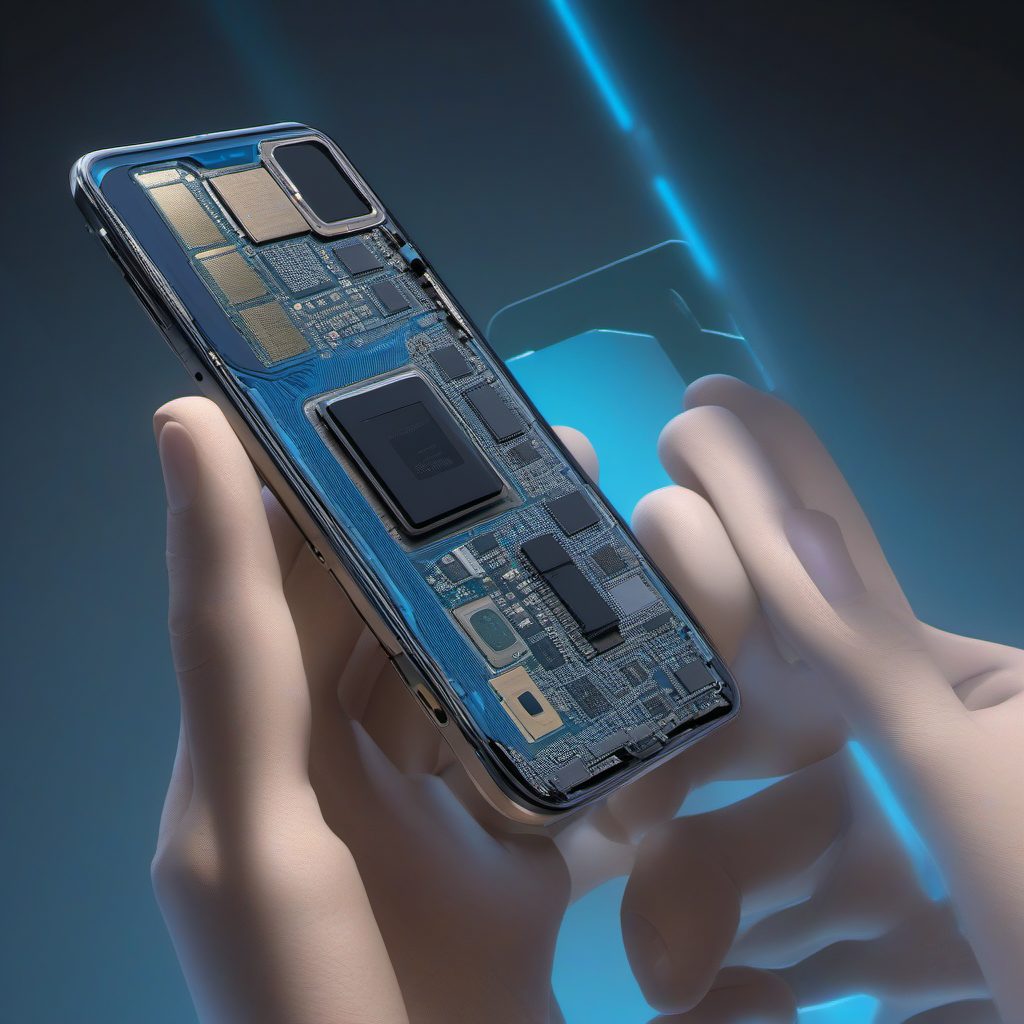
Sony’s recent collaboration with Taiwan Semiconductor Manufacturing Company (TSMC) could potentially tackle one of the smartphone industry’s persistent headaches: the battery-draining demands of high-performance phone cameras. This partnership is set to develop a new kind of image sensor that promises to deliver high-quality images while consuming less power. But as with all tech promises, the question remains: will this truly make a difference to consumers, or is it yet another spec-sheet obsession?
## What Sony and TSMC Are Actually Doing
Sony, a titan in imaging technology, has teamed up with TSMC, the world’s largest contract chipmaker, to build a new chip facility in Japan. The $7 billion venture aims to produce advanced image sensors designed to enhance power efficiency. These sensors are intended to use less energy without compromising on the quality of photos and videos—a feat that would be welcomed by both consumers and phone manufacturers.
The new facility is expected to begin production in 2024. Sony already leads the market in image sensors, contributing significantly to its electronics segment. By partnering with TSMC, Sony hopes to leverage cutting-edge semiconductor manufacturing processes to push the boundaries of what’s possible in mobile imaging technology.
## Competitive Context
The smartphone market is fiercely competitive, with companies constantly vying to differentiate their products. Battery life and camera quality are two of the most significant battlegrounds. Apple’s iPhone and Samsung’s Galaxy series often dominate discussions around camera capabilities, but they too face the universal challenge of battery consumption.
Sony’s move is a strategic attempt to maintain its edge in the image sensor market against rivals like Samsung and Omnivision. If successful, this partnership could see Sony’s sensors becoming even more integral to the next generation of smartphones, providing a potential edge to any device that incorporates them. However, it’s worth noting that while improved efficiency could be a selling point, consumers have become accustomed to charging their devices daily, and the real-world impact might be less noticeable than anticipated.
## Real Implications for Founders, Engineers, and the Industry
For smartphone manufacturers and designers, the potential to offer enhanced camera performance with lower power consumption could simplify some of the engineering challenges in device design. This could allow for smaller batteries, thinner devices, or simply better battery life—each a compelling proposition depending on the target market.
However, engineers should temper expectations. While a more efficient image sensor is beneficial, it is just one component in a complex system. Overall battery life improvements will still depend heavily on other factors such as display technology, processor efficiency, and software optimization.
For founders and investors, this partnership highlights the ongoing importance of strategic collaborations in tech innovation. It serves as a reminder that aligning with industry leaders can accelerate product development and market entry, potentially leading to a competitive advantage. Nonetheless, they should remain cautious, as the fruits of such partnerships often take years to materialize and may not always translate into immediate consumer interest or increased market share.
## What Happens Next
The TSMC and Sony partnership is a long-term play. As the facility ramps up and production begins, the industry will be watching closely to see if these new sensors deliver on their promise of reduced power consumption. For tech entrepreneurs and engineers, this development signals the need to stay updated on advancements in component technology, as these can offer new opportunities or necessitate changes in product strategy.
Ultimately, whether this collaboration results in tangible consumer benefits or simply an incremental spec improvement remains to be seen. For now, it’s a waiting game to see if Sony and TSMC can indeed redefine the balance between camera performance and battery efficiency.