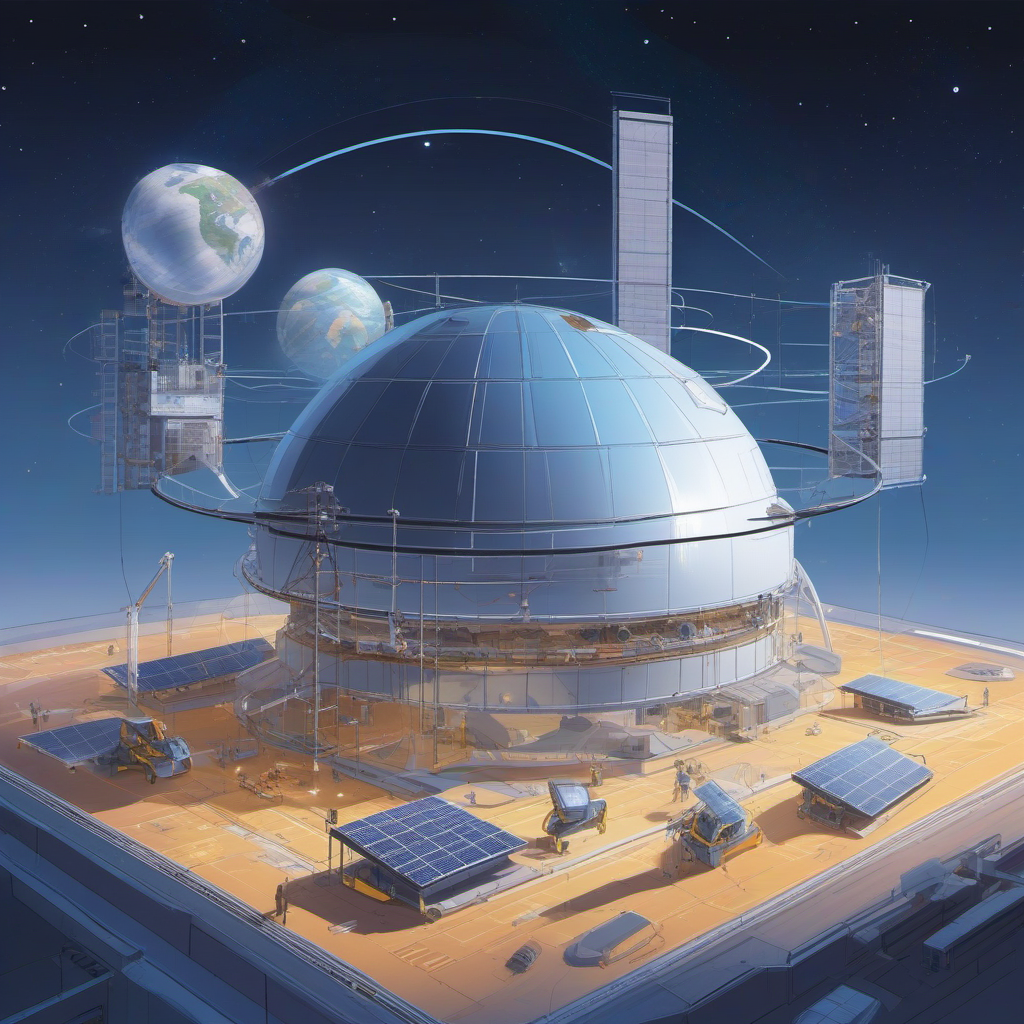
Google and SpaceX are reportedly discussing a bold venture to launch data centers into orbit, a move that could redefine infrastructure for AI computing. While the concept of space-based data centers sounds like science fiction, it reflects a growing interest in off-planet solutions for Earth-bound challenges. The question remains: does this cosmic ambition offer tangible value, or is it another tech fantasy searching for a problem to solve?
## What Orbital Data Centers Entail
The idea of space-based data centers isn’t just about the novelty of orbiting servers. The primary driver is the potential for reduced latency in global data transmission, especially for real-time applications like AI and machine learning. SpaceX’s satellite network, Starlink, could provide the connectivity backbone, while Google’s cloud services could leverage these orbital nodes for enhanced data processing capabilities.
However, launching and maintaining data centers in space involves astronomical costs and engineering challenges. The harsh conditions of space require robust technology to ensure data integrity and physical durability. The logistical complexities of deploying and servicing these data centers also add layers of difficulty not present in terrestrial operations.
## Competitive Context and Industry Landscape
As of now, traditional data centers are firmly grounded, with companies like Amazon Web Services, Microsoft Azure, and Google Cloud dominating the market. These giants have invested heavily in expanding their global infrastructure, focusing on efficiency and sustainability. Orbital data centers would represent a radical departure from these strategies, potentially offering unique benefits but also facing significant hurdles.
Competitors might view this development as both a threat and an opportunity. While the concept raises the stakes in the race for cutting-edge data infrastructure, it also opens avenues for partnerships in satellite technology and space logistics. The feasibility of such a venture depends on technological breakthroughs in space transport and storage, areas where SpaceX has a head start but not a monopoly.
## Implications for Founders, Engineers, and the Tech Industry
For founders and engineers, the prospect of orbital data centers is a double-edged sword. On one hand, it presents a frontier for innovation, demanding expertise in aerospace engineering, AI, and cloud computing. On the other, it shifts focus from optimizing current technologies to developing entirely new systems for space applications, potentially diverting resources from more immediate, ground-based solutions.
Investors should approach this development with cautious curiosity. While the allure of space can generate headlines and interest, the path to profitability is neither quick nor assured. Due diligence is paramount, focusing on the practicalities of execution and the timeline for returns. The market for space-based data solutions is unproven, and the risks are as high as the potential rewards.
As discussions between Google and SpaceX continue, the tech community should monitor how this collaboration evolves. For engineers, the focus should be on skill-building in relevant areas like satellite communications and AI. Founders might consider how their startups could fit into this new ecosystem, either as collaborators or competitors. Investors need to weigh the long-term potential against the immediate challenges, understanding that while space might be the next frontier, it’s one fraught with uncertainty and opportunity in equal measure.