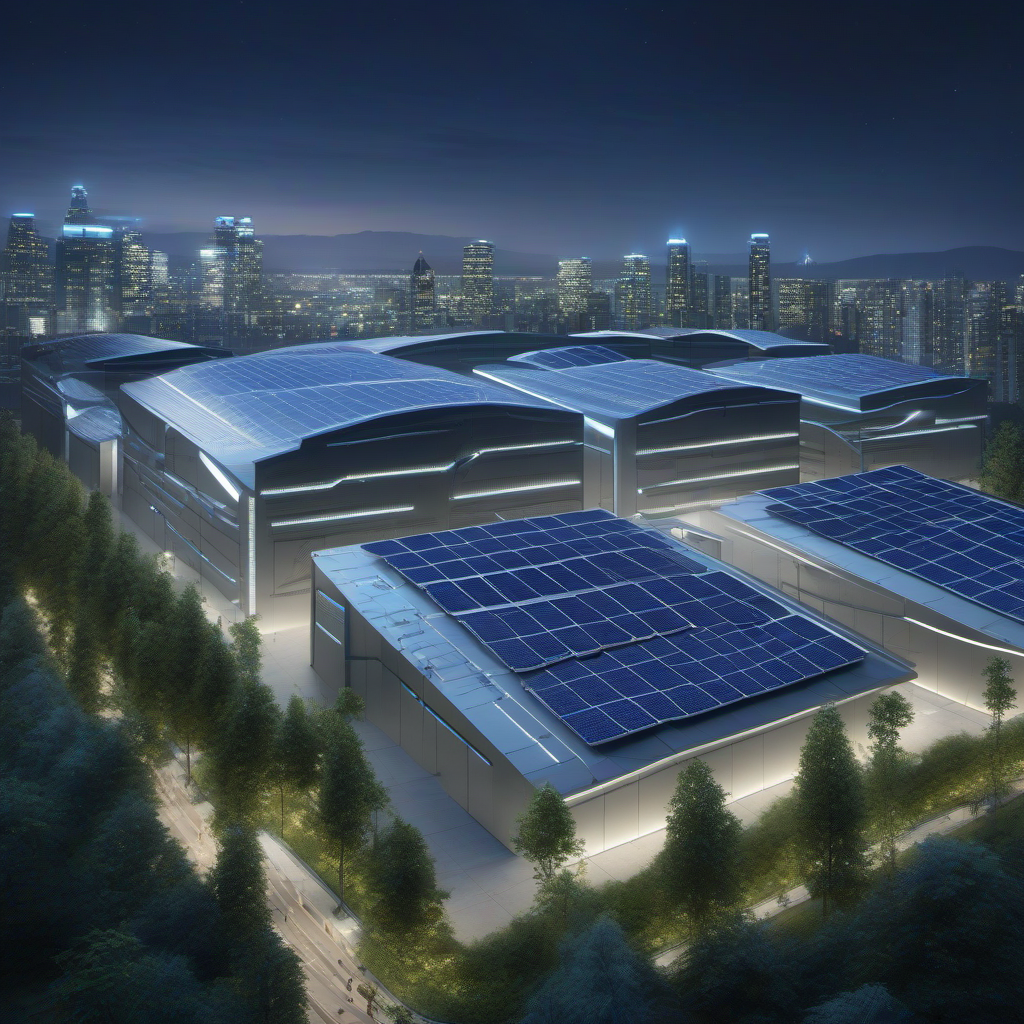
TELUS has announced an ambitious plan to expand its AI data infrastructure in British Columbia, aiming to bolster Canada’s sovereign AI capabilities. This move, part of a collaboration with the Canadian government, involves the development of a Sovereign AI Factory cluster under the federal Enabling Large-Scale Sovereign AI Data Centres initiative. For a country keen to secure its technological independence, this expansion signals a significant step towards enhancing domestic AI infrastructure and protecting sensitive data.
### What TELUS Is Building
The proposed AI cluster will consist of an extension of TELUS’ existing Kamloops data centre and two new sites in Vancouver. These facilities are designed to house over 60,000 high-performance GPUs and are expected to reach a total capacity of more than 150 megawatts by 2032. The infrastructure will cater to the needs of Canadian businesses, researchers, startups, and public institutions, facilitating advanced AI workloads such as training, deployment, and simulations. TELUS’ previous venture, the Rimouski Sovereign AI Factory, has already set a precedent with its successful launch in September 2025.
### Competitive Context
In a race where AI infrastructure is increasingly viewed as a cornerstone of national security and economic stability, TELUS’ expansion in B.C. is a strategic move to place Canada at the forefront of AI development. By securing an initial 85 megawatts of renewable power from BC Hydro, TELUS is positioning these facilities as not only technologically advanced but also environmentally sustainable. The partnership with NVIDIA, a leader in AI accelerated computing, further underscores TELUS’ commitment to leveraging cutting-edge technology. However, it remains to be seen whether this will translate into a tangible competitive advantage given the global scale of AI investments.
### Implications for Founders, Engineers, and the Industry
For Canadian founders and engineers, TELUS’ expansion could offer a fertile ground for innovation and collaboration. The facilities promise to provide robust infrastructure for AI development, potentially reducing reliance on foreign data centres and enhancing data security. This could encourage more AI startups to launch and scale within Canada, benefiting from both the advanced infrastructure and the clean energy that powers it. For the industry, the project could set a precedent for integrating sustainability with technological advancement, challenging other players to consider the environmental impact of their operations.
TELUS’ focus on renewable energy and energy-efficient cooling systems highlights a growing trend in the tech industry towards sustainability. Engineers and product managers should take note of these practices, as they are likely to become industry standards in the near future.
### What Happens Next
As TELUS moves forward with its B.C. cluster, the Kamloops AI Factory is expected to go live later this year, with the Vancouver sites following suit by the end of 2026 and 2029, respectively. This timeline suggests a phased approach, allowing TELUS to refine its operations and scale effectively. For founders looking to leverage this infrastructure, the key will be to stay informed about the developments and align their projects with the capabilities and timelines of these facilities. For investors, the expansion presents an opportunity to support a growing ecosystem of AI innovation rooted in sustainable practices.