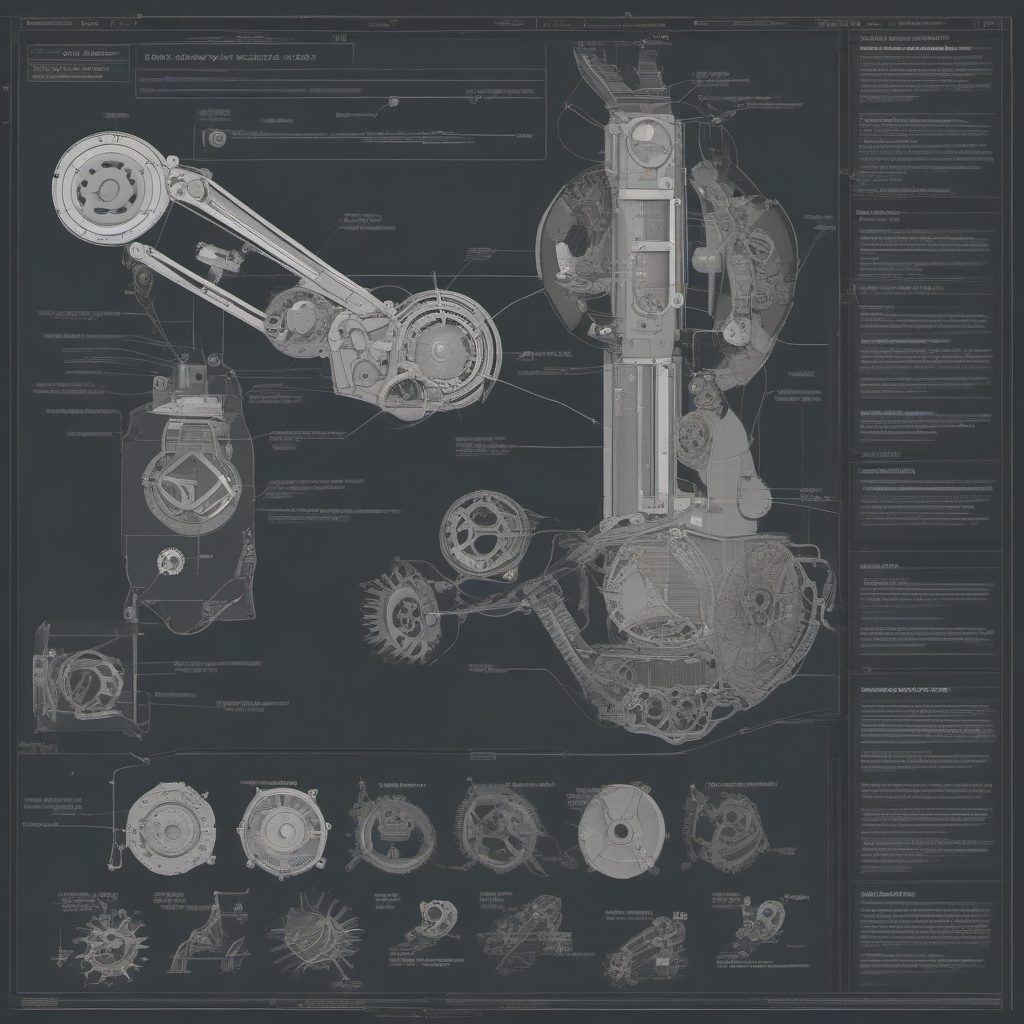
In a world where CAD software often comes with hefty price tags and steep learning curves, CADara emerges as a fresh contender with a compelling proposition: open-source, accessible, and entirely in-browser. Developed by a passionate engineer and showcased on Hacker News, CADara challenges the status quo of CAD software by offering a free alternative that doesn’t skimp on functionality. This could be a game-changer for hobbyists, small businesses, and anyone looking to dip their toes into computer-aided design without a financial commitment.
## CADara: What It Actually Does
CADara is an open-source CAD tool that operates directly within your web browser. This means no downloads, no installations, and crucially, no cost. It aims to provide users with a seamless design experience, offering core features found in traditional CAD software such as 3D modeling, drafting, and assembly. CADara’s interface is designed to be intuitive, lowering the barrier to entry for newcomers while still catering to more experienced designers.
The tool’s open-source nature means that users can contribute to its development, customize it to suit their needs, or simply use it as is. This flexibility is a significant draw for those in the maker community or educational institutions that seek affordable, adaptable solutions. You can learn more about CADara and try it yourself by visiting their [website](https://news.ycombinator.com/item?id=48070022).
## The Competitive Landscape
The CAD software market is dominated by heavyweights like AutoCAD, SolidWorks, and Fusion 360, each offering robust feature sets but at substantial costs. These platforms are well-entrenched, serving professionals across engineering, architecture, and manufacturing. However, their price points and complexity can be prohibitive for individuals and small teams.
CADara enters this space with a disruptive model, leveraging its zero-cost and open-source nature to attract users who might otherwise be priced out. While it doesn’t yet match the comprehensive toolsets of industry leaders, its appeal lies in accessibility and community-driven development. It’s reminiscent of other open-source successes like Blender in the 3D modeling space, which slowly gained traction through community support and iterative improvements.
## Real Implications for Founders, Engineers, and the Industry
For founders and engineers, CADara presents an opportunity to explore CAD without the financial risk. This is particularly relevant for startups and small businesses that need to manage budgets tightly while still requiring functional design tools. The ability to modify and improve upon the software can also lead to customized solutions that better fit specific project needs, something proprietary software often can’t offer.
Engineers might find CADara useful for quick prototyping and collaborative projects, especially in educational settings or early-stage development. Its browser-based nature facilitates easy sharing and collaboration, which is critical in today’s remote work environment.
For the broader industry, CADara serves as a reminder of the growing demand for democratized technology. As software continues to evolve, the pressure on traditional providers to offer more flexible pricing models and user-friendly experiences will likely increase.
## What’s Next?
As CADara continues to evolve, its future hinges on community engagement and contribution. The developer behind CADara has laid the groundwork, but its growth will depend on how well it can attract and retain a community of users and contributors. For founders and engineers, this underscores the importance of community in tech development—whether you’re building a startup or contributing to open-source projects, the strength of your community can determine the path forward.
For those interested in CADara, now is the time to get involved, test the tool, provide feedback, and even contribute to its development. This could be a chance to be part of something that challenges the norms of the CAD industry, offering a glimpse into what the future of accessible design software could look like.