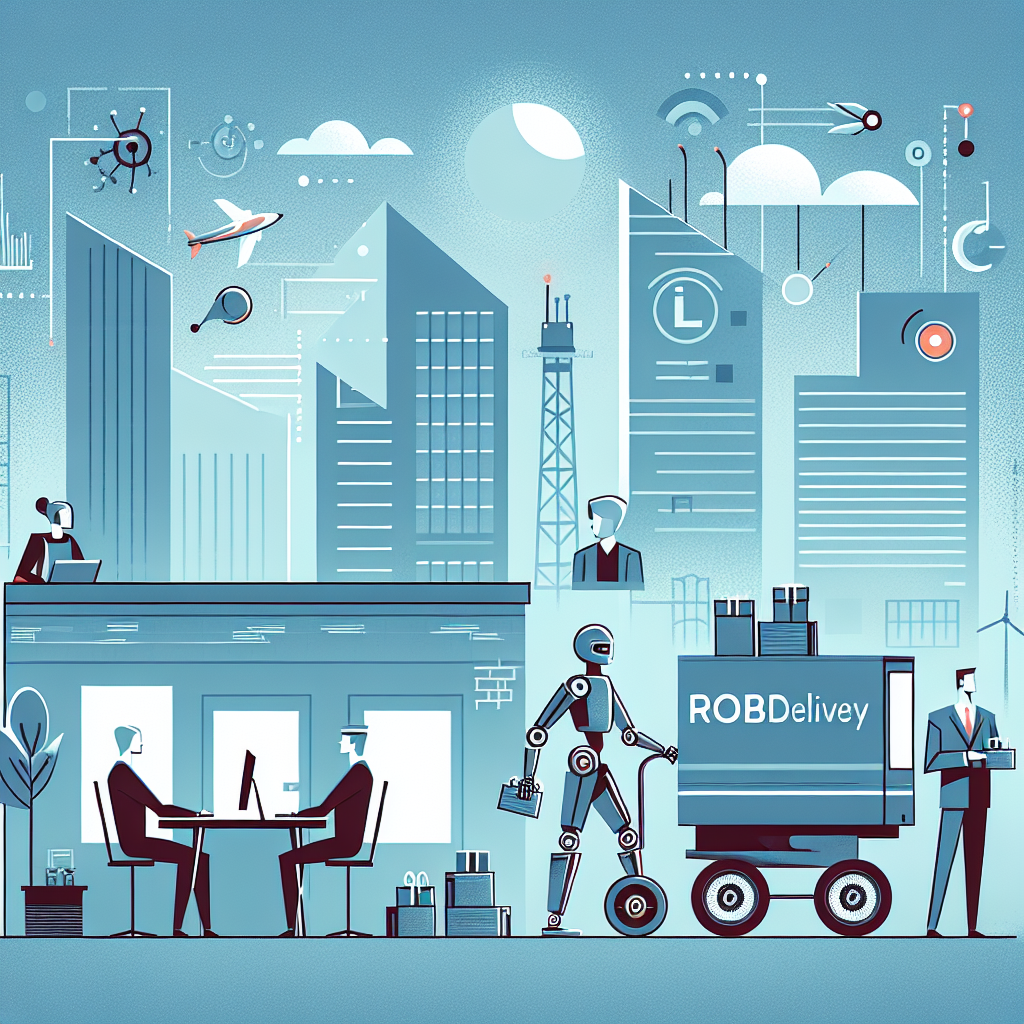
Delivery robots are hitting our sidewalks, and not everyone is thrilled. While some hail these bots as a step toward a cleaner, more efficient future, others see them as unnecessary clutter. For young professionals and tech enthusiasts, the question remains: do these robots offer genuine consumer value, or are they just another tech fad?
## What Delivery Robots Actually Do
Companies like Coco Robotics have been deploying delivery robots that autonomously navigate urban environments to deliver food and small parcels. These bots aim to reduce traffic congestion and emissions by replacing traditional delivery vehicles. They’re equipped with sensors and cameras to avoid obstacles and ensure safe delivery. However, their performance is often hampered by simple challenges like uneven sidewalks or unexpected human interactions.
## Market Landscape and Competition
The delivery robot market is becoming increasingly crowded. Coco, founded by two UCLA graduates, competes with other startups and established companies like Starship Technologies and Amazon. While these robots are a common sight in cities like Los Angeles, they face regulatory challenges in places like Toronto and San Francisco, where concerns over pedestrian safety and job displacement have led to bans or restrictions.
The competitive landscape is also shaped by the need for technological improvements. Early models struggled with reliability and navigation, leading to comparisons with the ill-fated Bird scooters. While newer versions promise better performance, they still face skepticism from city officials and the public.
## Implications for Founders, Engineers, and the Industry
For founders and engineers, the rise of delivery robots presents both opportunities and hurdles. Developing reliable, cost-effective technology that can operate safely in busy urban environments is no small feat. Engineers must focus on refining navigation systems and improving battery life to make these bots viable.
From an industry perspective, the push for automation in delivery services could reshape the job market. As robots take on more delivery tasks, there’s potential for job displacement among human couriers. Engineers and product managers need to consider how to integrate these technologies responsibly, ensuring that they complement rather than replace human workers.
## What Happens Next
As delivery robots become more prevalent, the tech community must keep an eye on regulatory developments and public sentiment. For founders and investors, the key is to balance innovation with practicality. Watch for advancements in AI and navigation technology that could make these robots more efficient and less intrusive. Ultimately, the success of delivery robots will depend on their ability to deliver real value without becoming a nuisance or a threat to existing jobs.