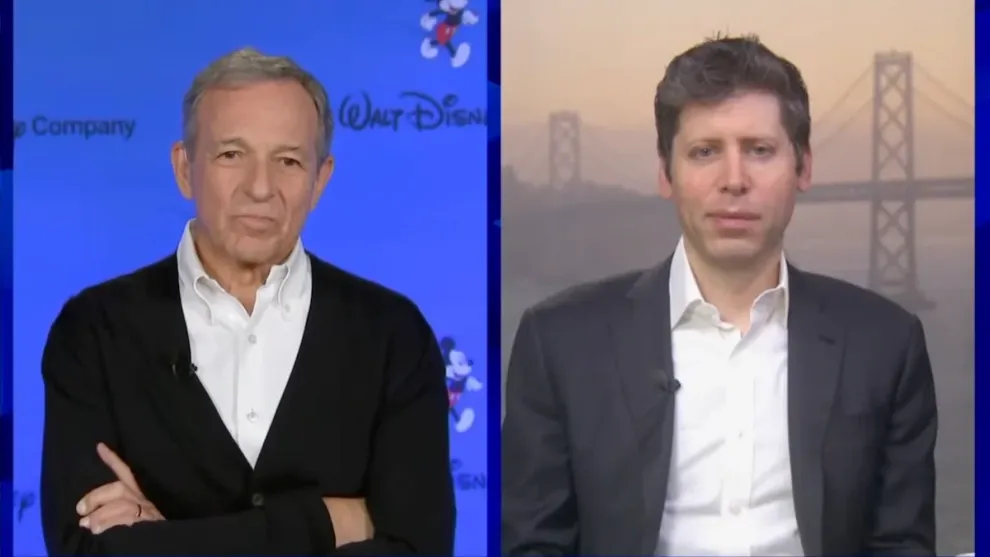
In a surprising move, OpenAI has announced it will shut down its AI video-generation app Sora and wind down its $1 billion content partnership with Disney. The news marks the end of an era in the intersection between entertainment and artificial intelligence (AI). While some may view this as a setback, I believe it’s a necessary step towards creating more responsible and sustainable applications of AI.
The Flaws of Sora
Sora was once hailed as a groundbreaking technology that could create realistic videos based on simple prompts. However, its limitations soon became apparent. The app struggled to prevent the creation of non-consensual imagery and misinformation, not to mention major copyright infringement. As Forrester analyst Thomas Husson pointed out, Sora was “a resource black hole” with limited monetization potential.
Moreover, the app’s ability to generate realistic videos sparked concerns about its impact on the media industry. Some feared that AI would replace entertainment industry talent, while others saw it as a threat to intellectual property rights. Disney’s decision to license its IP to OpenAI was seen as a turning point for the tech industry and Hollywood. However, with Sora’s closure, those concerns are now alleviated.
The Future of Entertainment
OpenAI’s decision to focus on other developments, such as robotics, is a welcome shift towards creating more practical applications of AI. By applying the same technology used to teach AI how to produce realistic videos to training robots, OpenAI can help people solve real-world, physical tasks. This move not only reflects the company’s priorities but also acknowledges the limitations of its video-generation tools.
Disney’s decision to engage with other AI platforms is also a significant development. The entertainment giant will now focus on responsibly using AI technology without infringing on intellectual property rights. This marks a crucial step towards creating more sustainable and responsible applications of AI in the entertainment industry.
The Rise of Competitors
Sora faced stiff competition from China’s Seedance, which created controversy earlier this year by generating realistic videos featuring Hollywood characters. The app’s closure is likely to pave the way for these competitors to fill the gap. However, OpenAI’s decision to focus on other areas demonstrates its willingness to adapt and evolve in response to changing market conditions.
In conclusion, Disney’s departure from OpenAI marks a significant shift towards more responsible and sustainable applications of AI in the entertainment industry. While Sora’s closure may be seen as a setback for some, I believe it’s a necessary step towards creating technologies that benefit both society and the industry. As we move forward, it’s essential to prioritize practicality and responsibility over hype and innovation for its sake.